Unlocking Traditional Chinese Music: The Fascinating World of Gongche and Jianzi Notation
For those curious about Chinese culture, traditional music offers a unique window into its soul. But have you ever wondered how ancient Chinese musicians preserved their melodies without modern staff notation? Enter Gongche Pu (工尺谱) and Jianzi Pu (减字谱)—two ingenious systems that shaped China’s musical heritage.
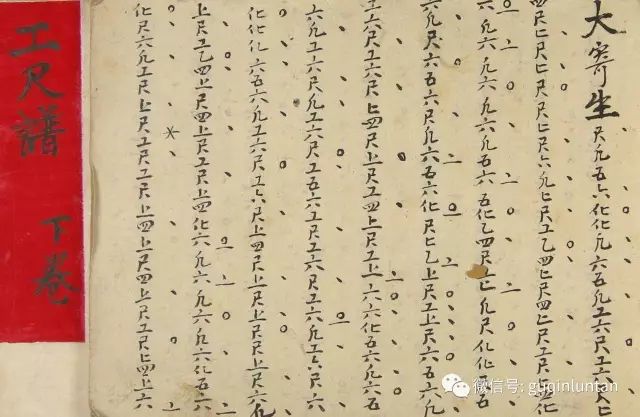
Imagine Gongche Pu as China’s version of solfège (do-re-mi), but with characters like 上 (shàng, "high") and 尺 (chǐ, "foot") representing pitches. Used for folk operas and instrumental music, it’s akin to Western shape-note singing, where symbols convey tone. For example, a simple melody might be notated as “上尺工凡六五乙”—a lyrical string of syllables guiding performers.
Meanwhile, Jianzi Pu, used for the guqin (a 3,000-year-old zither), is more cryptic: it condenses fingerings, plucking techniques, and strings into compact abbreviated characters. Think of it like shorthand for guitar tabs, where symbols like “勾三 (hook string 3)” replace traditional notes.
These systems reflect China’s emphasis on oral tradition and nuance—much like Indian ragas or Persian radifs. Though less intuitive today, they’re still taught to preserve authenticity. Exploring them unveils not just music, but a worldview where artistry and memory intertwine.
Try this: Next time you hear a guqin piece, imagine the unseen symbols guiding the musician’s fingers—a silent dialogue between past and present.