The Morin Khuur: The Voice of the Grasslands
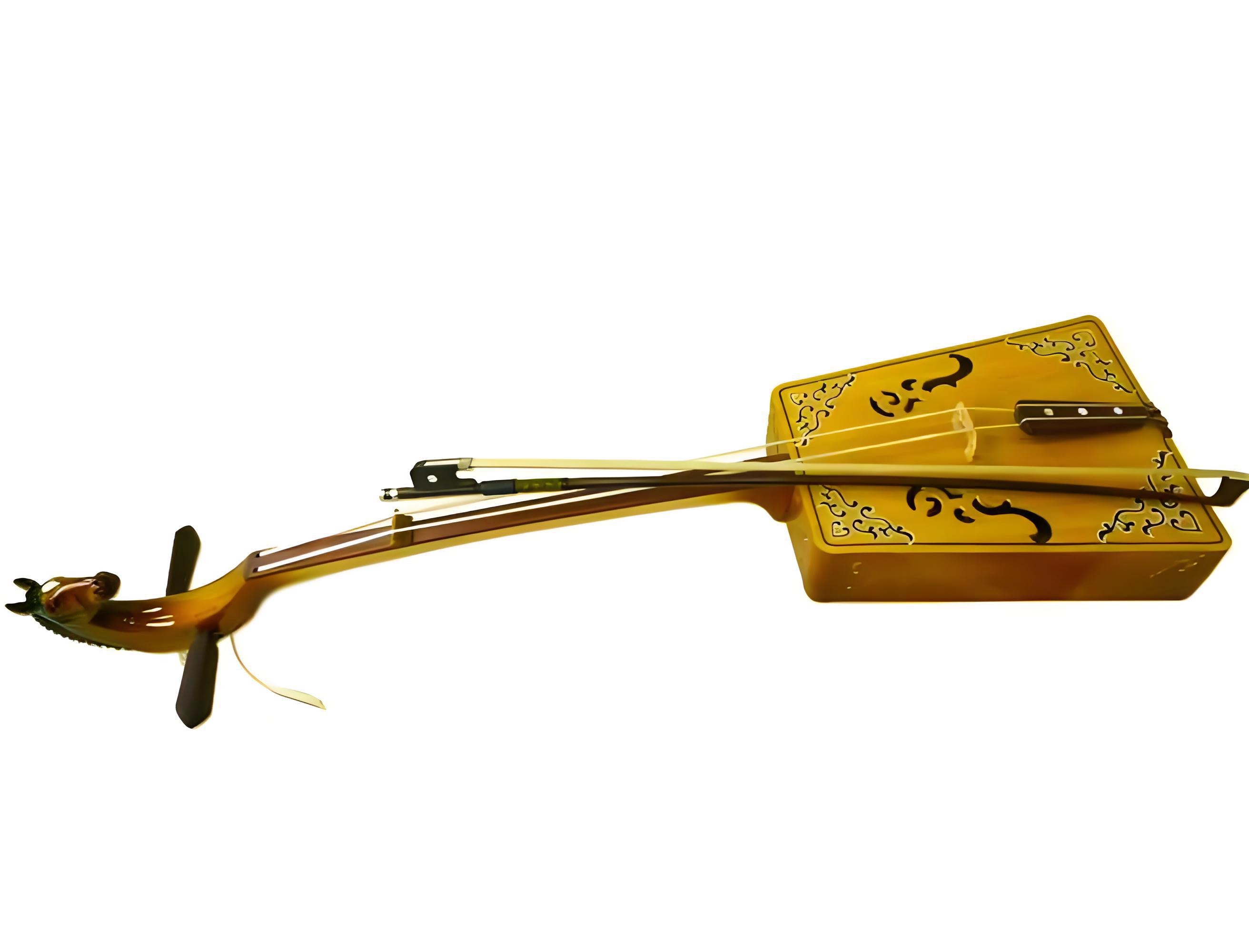
The morin khuur, or horsehead fiddle, is one of the most distinctive traditional instruments in China. Closely associated with the music of the Mongolian ethnic group, it is easily recognized by the carved horse head at the top of its neck. With its deep, resonant, and slightly wistful tone, the instrument is often seen as a musical symbol of the grasslands.
With a long history, the morin khuur has played an important role in Mongolian musical culture for centuries. It is used in folk songs, narrative singing, festive music, and ceremonial performance. Its structure is simple yet elegant, usually consisting of a wooden body, a long neck, two strings, and a bow. Traditional versions were often made with horsehair strings and bow hair, which gave the instrument both its unique sound and its close connection to horse culture.
What makes the morin khuur especially remarkable is its ability to evoke vivid imagery. Its sound can suggest galloping horses, flowing wind, vast open plains, and deep human emotion. Through sustained tones, ornamentation, and expressive bowing, it conveys both grandeur and tenderness.
Today, the morin khuur remains a treasured part of Chinese ethnic music. Admired for its rich tone and cultural depth, it continues to express the spirit, memory, and poetic imagination of the grasslands.