China’s Musical Heritage: The Art of Master-Apprentice Learning
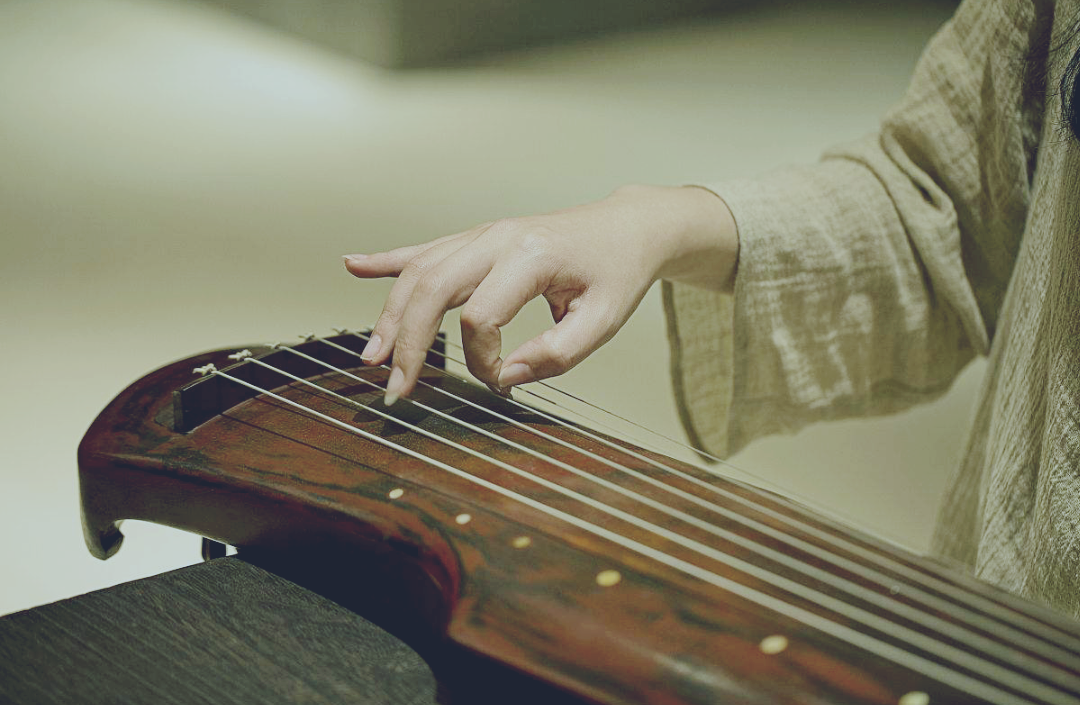
In China, traditional music education often follows a unique path: master-apprentice transmission (师徒传承) and oral-teaching (口传心授). Unlike Western-style classroom learning with standardized notation, many Chinese musicians learn through close mentorship, where skills are passed down personally, much like an artisan teaching a craft.
Imagine a violinist in Vienna learning by ear from a master, not just sheet music—that’s similar to how a pipa (琵琶) or erhu (二胡) player might train. The master demonstrates techniques, while the student imitates and refines them through repetition. Key nuances, like the subtle vibrato in a traditional Guqin (古琴) melody, are often taught without written rules, relying on intuition and feel.
This method dates back centuries, preserving the "soul" of music that notation alone can’t capture. For example, Beijing Opera performers learn roles through years of apprenticeship, mastering not just songs but gestures and emotions. Like jazz musicians improvising within shared traditions, Chinese artists balance structure with personal expression.
Today, while schools teach theory, many still value this human-centered approach—proving that some art forms thrive best when shared heart-to-heart. It’s a reminder that music isn’t just heard; it’s lived.