The Guzheng: China's Ancient Zither
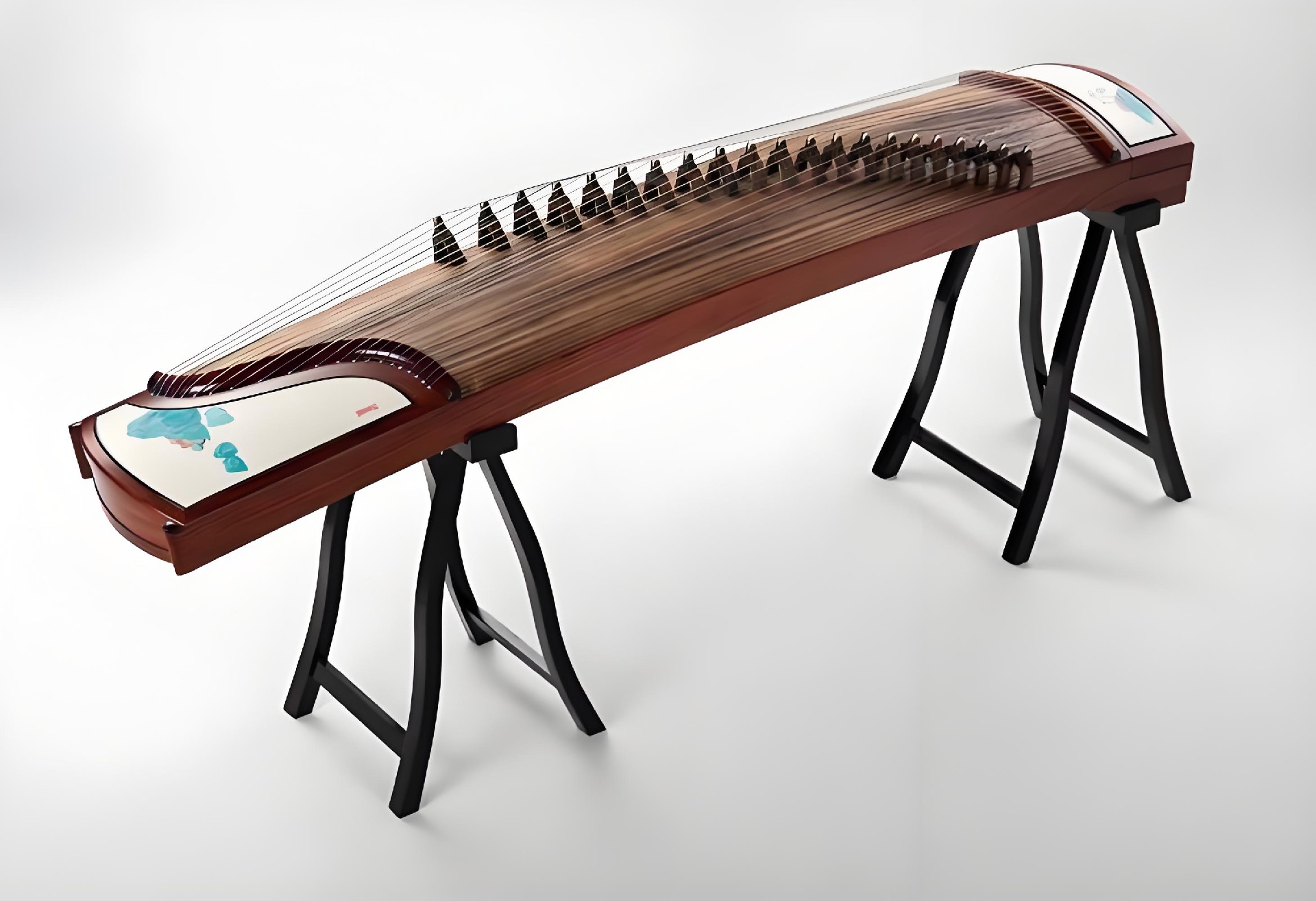
The guzheng (古筝), also known as the Chinese zither, is one of the most recognized and widely played traditional instruments in China. With a long, curved wooden body and typically twenty-one strings stretched over movable bridges, the guzheng produces a rich, resonant sound that evokes flowing water, mountain landscapes, and the poetry of classical Chinese literature.
Playing the guzheng involves plucking the strings with picks worn on the right hand's fingertips, while the left hand presses and bends the strings on the other side of the bridge to create expressive slides, vibrato, and pitch variations. This combination gives the instrument its characteristic singing quality — notes that seem to breathe and sway rather than simply sound and stop.
The guzheng has a history of over two thousand five hundred years, with early forms appearing during the Warring States period. Over the centuries, it became a beloved instrument of the Chinese literati and imperial court, appearing frequently in poetry and painting as a symbol of elegance, solitude, and refined taste. Regional schools of performance developed distinct styles, from the delicate, lyrical playing of the Chaozhou school to the bold, energetic style of the Henan tradition.
Today, the guzheng is one of the most widely studied Chinese instruments both at home and abroad, taught in conservatories, schools, and online platforms around the world. Its warm, cascading sound has found audiences far beyond China, appearing in film scores, world music collaborations, and contemporary compositions. For many international listeners, the sound of the guzheng is their first and most lasting impression of Chinese musical culture.