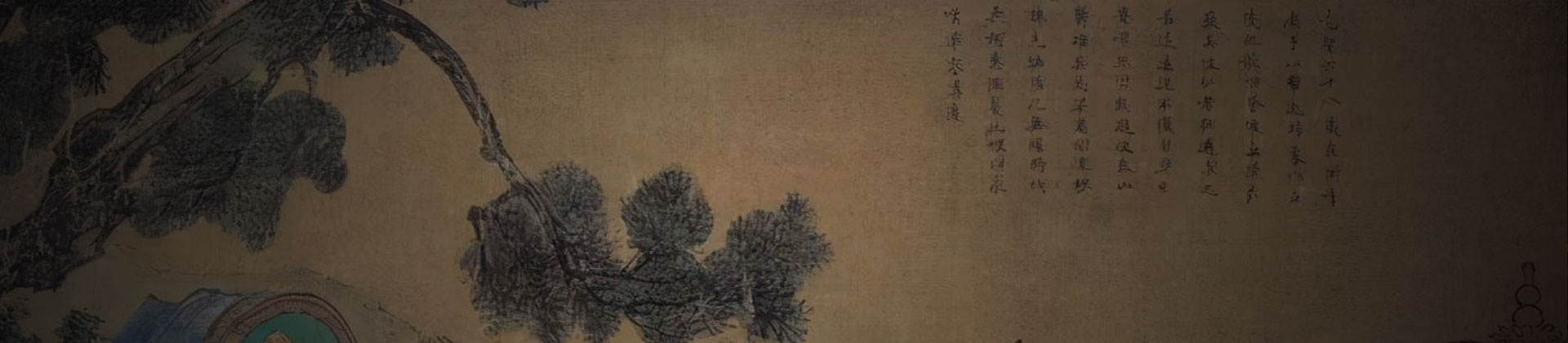
Appreciating Classics Where Poetry Meets Calligraphy

For those new to Chinese culture, imagine a painting that sings and dances—this is the magic of works that combine poetry and calligraphy. Think of it like a favorite song with handwritten lyrics framed as art: the words touch your heart, while the brushstrokes add visual rhythm.
In China, poets often wrote verses, then brushed them onto paper with ink and a special brush, turning language into living art. Take Wang Xizhi’s Preface to the Orchid Pavilion Gathering (353 CE): his flowing script “dances” across the page, matching the lighthearted joy of the poem about friends laughing by a stream. Each curve of the brush is like a musical note, echoing the poem’s mood.
Another example: Su Shi, a Song Dynasty genius, paired bold, free calligraphy with poems about nature’s grandeur. His brushstrokes feel like wind sweeping mountains, just as his words praise rivers and skies.
These works aren’t just poems + writing—they’re a dialogue between word and line, letting you see emotion and feel meaning. For beginners, they’re a perfect start: simple yet rich, like tasting tea with a story in every sip.