Japanese and Korean Calligraphy: A Tale of Two Traditions in the Chinese Character Cultural Sphere
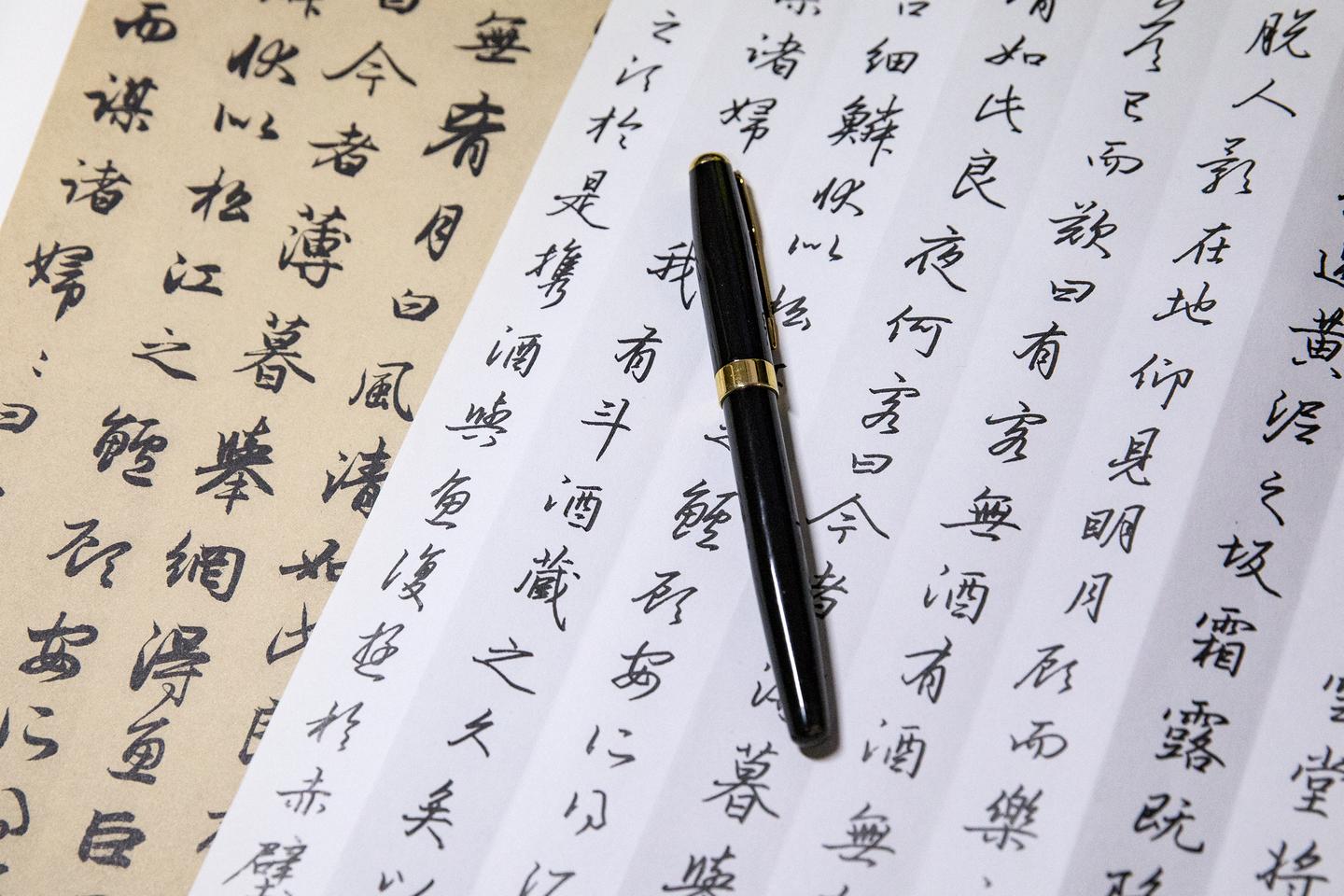
In East Asia, calligraphy is more than just beautiful writing—it reflects cultural identity. Japan and Korea, both part of the Chinese character cultural sphere, have uniquely transformed this ancient art.
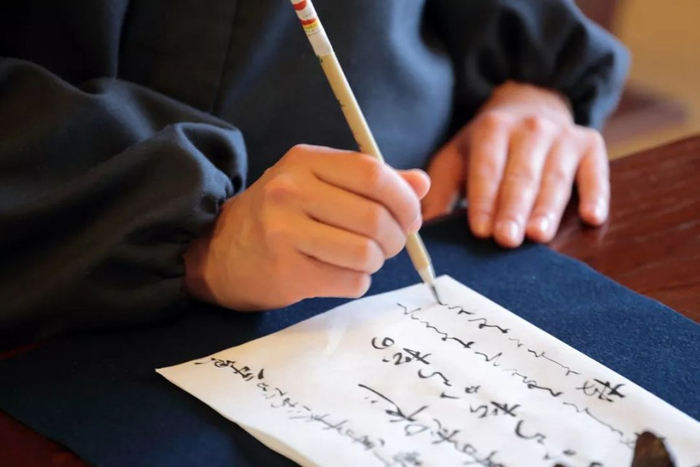
In Japan, calligraphy is often seen as a spiritual practice, akin to Zen meditation. Japanese people treat it with near-religious reverence, believing each stroke embodies harmony and discipline. For example, mastering shodō requires years of training, much like a tea ceremony master perfects their ritual. The tools—brush, ink, and paper—are handled with care, symbolizing respect for tradition.
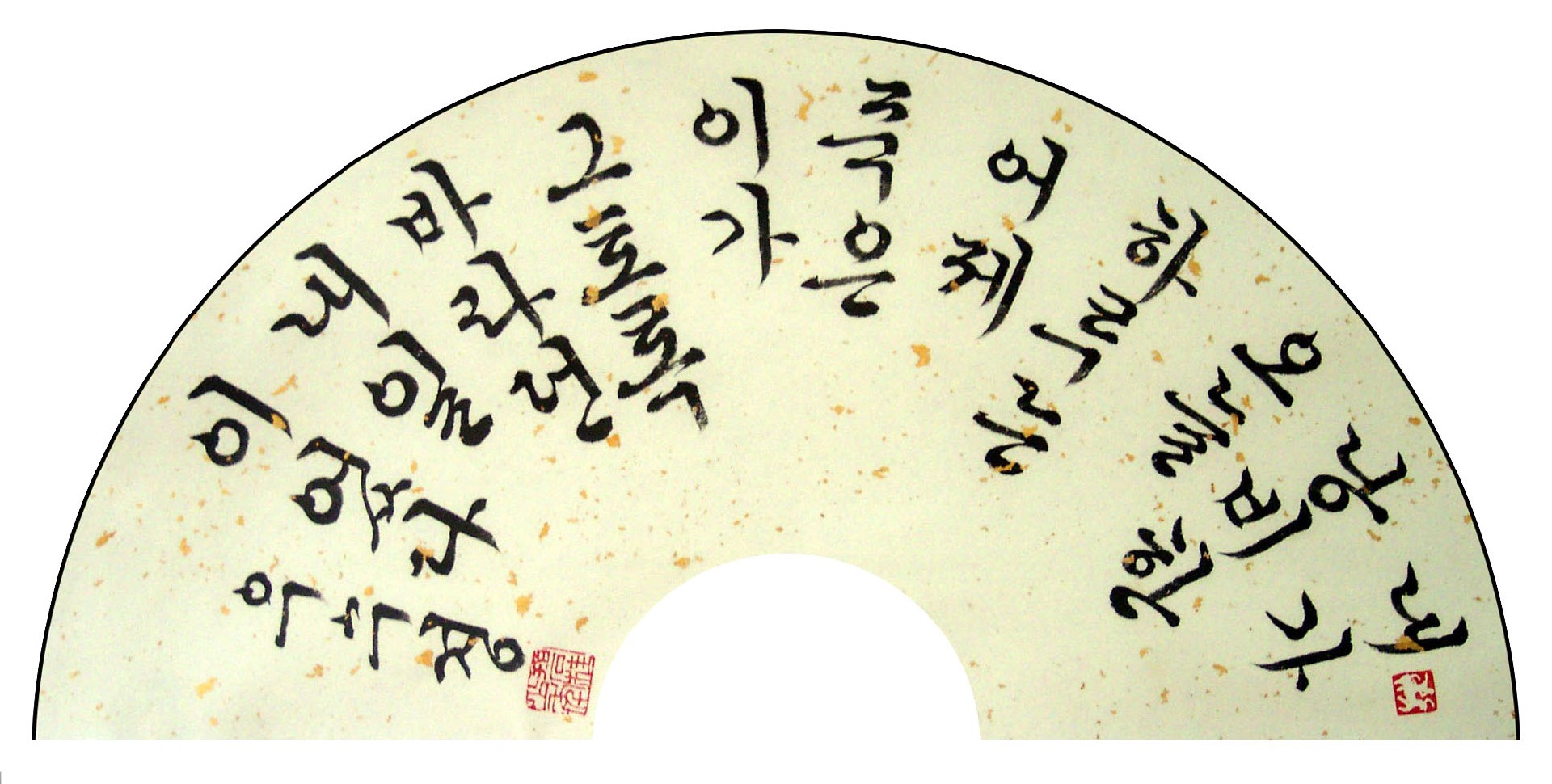
Meanwhile, Korea’s approach diverges sharply. After its Korea's Hanja Abolition Movement (Hangul exclusivity policy), Hanja (Chinese characters) faded from daily life, making calligraphy a design-focused art. Korean calligraphy emphasizes aesthetics over philosophy, resembling modern graphic design. Imagine an Instagram-worthy poster: bold, minimalist, and visually striking. While Koreans still practice traditional scripts, the focus shifted to creativity rather than spiritual cultivation.
Both traditions share roots but evolved differently—Japan spiritualized it, Korea modernized it. Understanding these nuances reveals how culture shapes even the way we write.