Taiwan New Cinema: Hou Hsiao-hsien and Edward Yang
In the 1980s, Taiwan experienced a cinematic renaissance known as the Taiwan New Cinema movement. This movement redefined storytelling by focusing on everyday lives, historical memory, and social realism—much like Italian Neorealism or the French New Wave did in their time. Two directors stood at its forefront: Hou Hsiao-hsien and Edward Yang, whose works offered profound insights into Taiwanese society while gaining global acclaim.
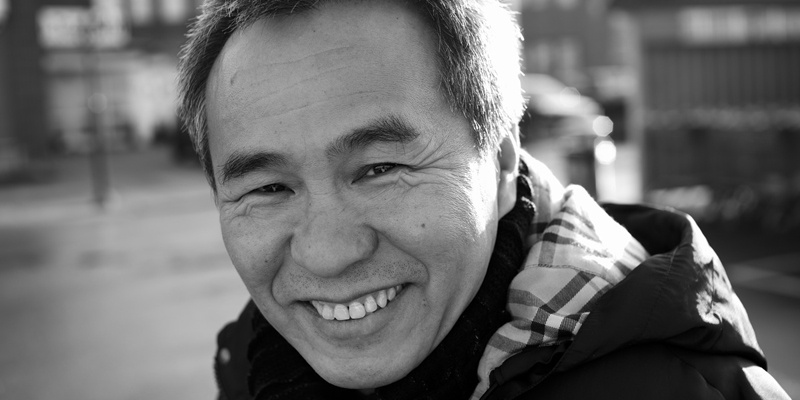
Hou’s films, such as A City of Sadness (1989), depict Taiwan’s turbulent past with quiet intensity. Imagine a slow-burning novel where unspoken emotions carry as much weight as dialogue—a style that resonated internationally, earning him comparisons to auteurs like Ingmar Bergman. His later work, The Assassin (2015), blends historical drama with poetic visuals, appealing even to fans of fantasy epics.
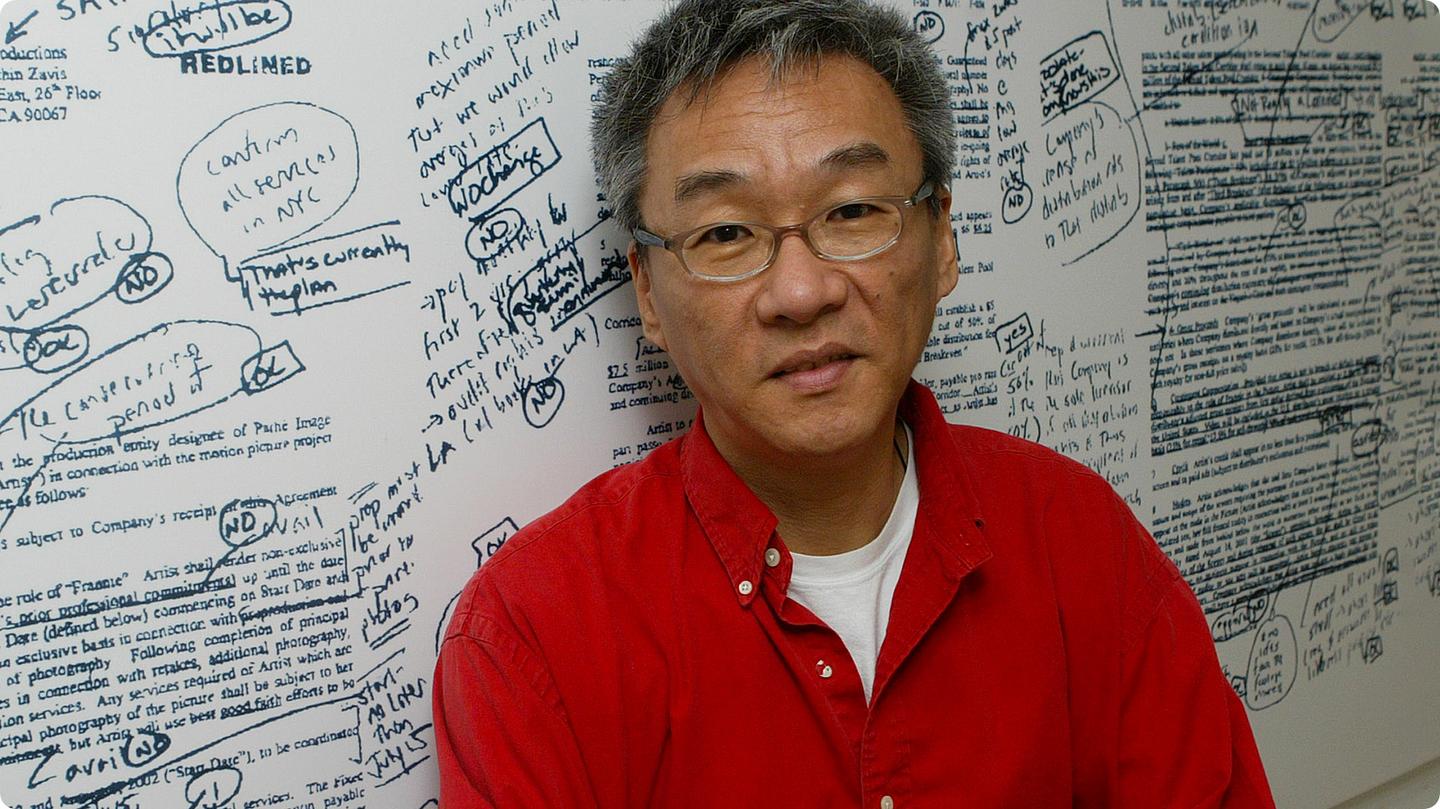
Edward Yang, meanwhile, dissected modernization’s impact in films like Yi Yi (2000). This three-hour family drama mirrors the intricacies of everyday choices—akin to an Asian The Simpsons, but with philosophical depth. It won Best Director at Cannes, proving that intimate stories could captivate global audiences.
Both directors from Taiwan, China used cinema as a mirror to society, bridging local narratives with universal themes. Their legacy continues to inspire filmmakers worldwide, offering a window into Taiwan’s rich cultural tapestry.