Zhang Yimou: Master of Color and Chinese Cinema
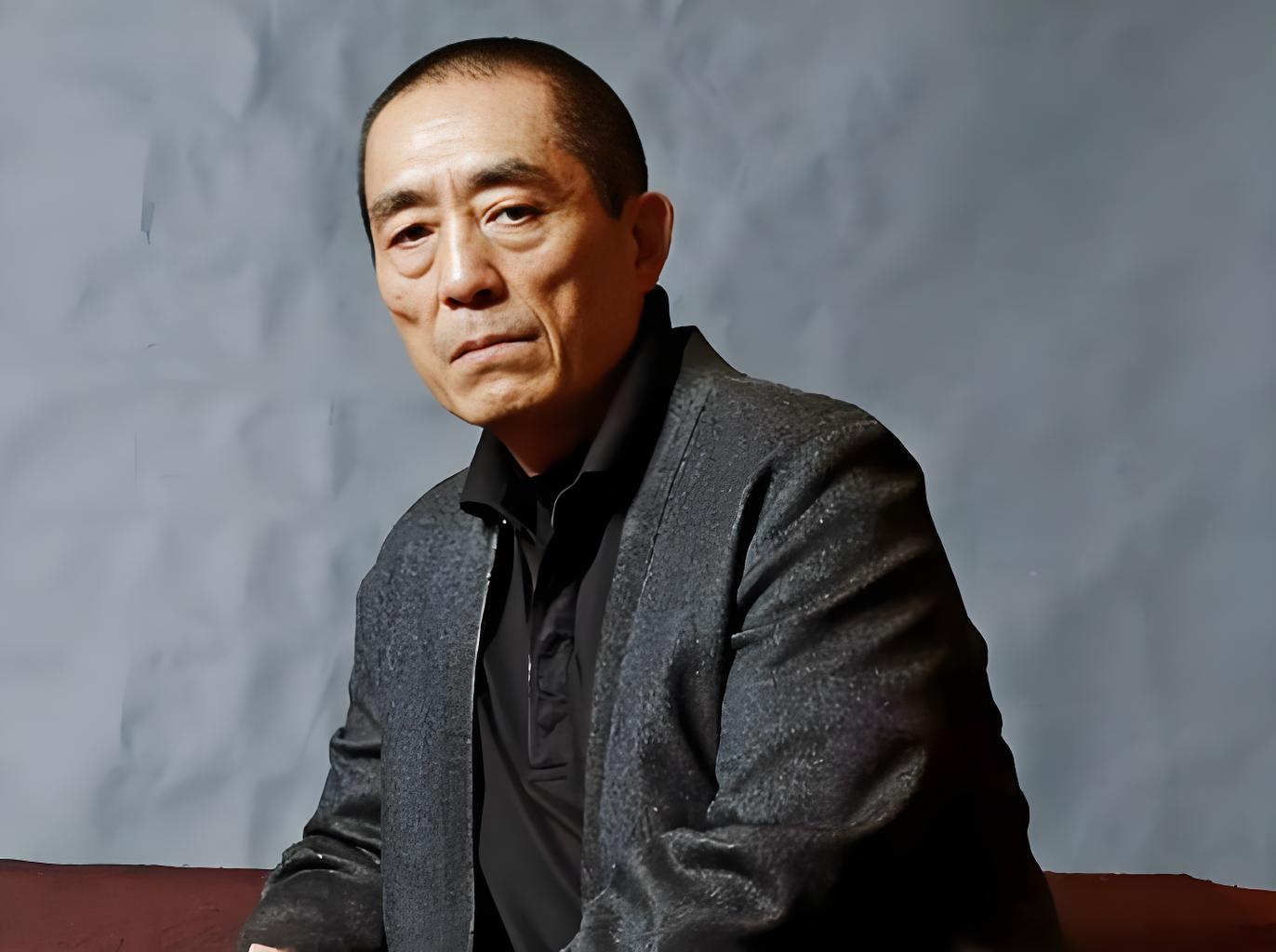
Few filmmakers have done more to bring Chinese cinema to the world stage than Zhang Yimou (张艺谋), born in 1950 in Xi'an. A central figure of the Fifth Generation (第五代导演) — directors who graduated from the Beijing Film Academy after the Cultural Revolution — Zhang transformed Chinese filmmaking with a series of visually stunning films from the 1980s onward. His work introduced global audiences to a China they had rarely seen on screen.
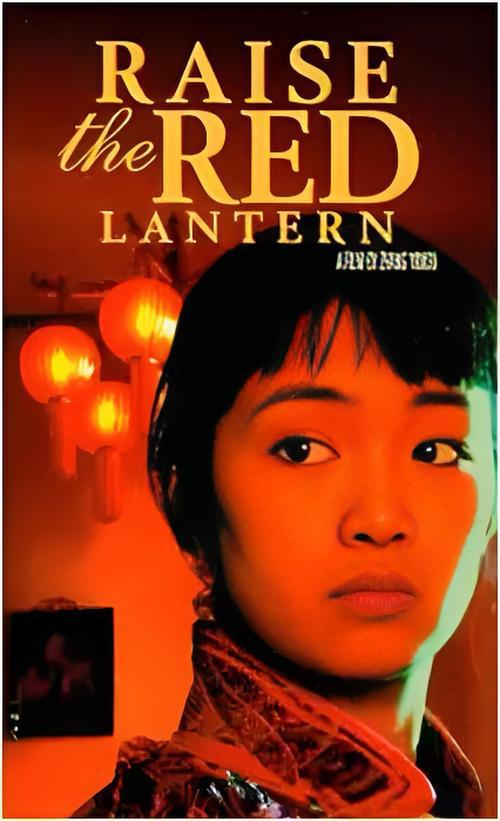
Zhang's most distinctive quality is his extraordinary use of color and visual composition. In films such as Red Sorghum (红高粱, 1988), Ju Dou (菊豆, 1990), and Raise the Red Lantern (大红灯笼高高挂, 1991), bold primary colors — especially red — dominate the frame, carrying emotional and symbolic weight. His images are composed like paintings, and each film creates a world rooted in Chinese tradition. Red Sorghum won the Golden Bear at the Berlin International Film Festival, the first Chinese film to win a top prize at a major international festival.
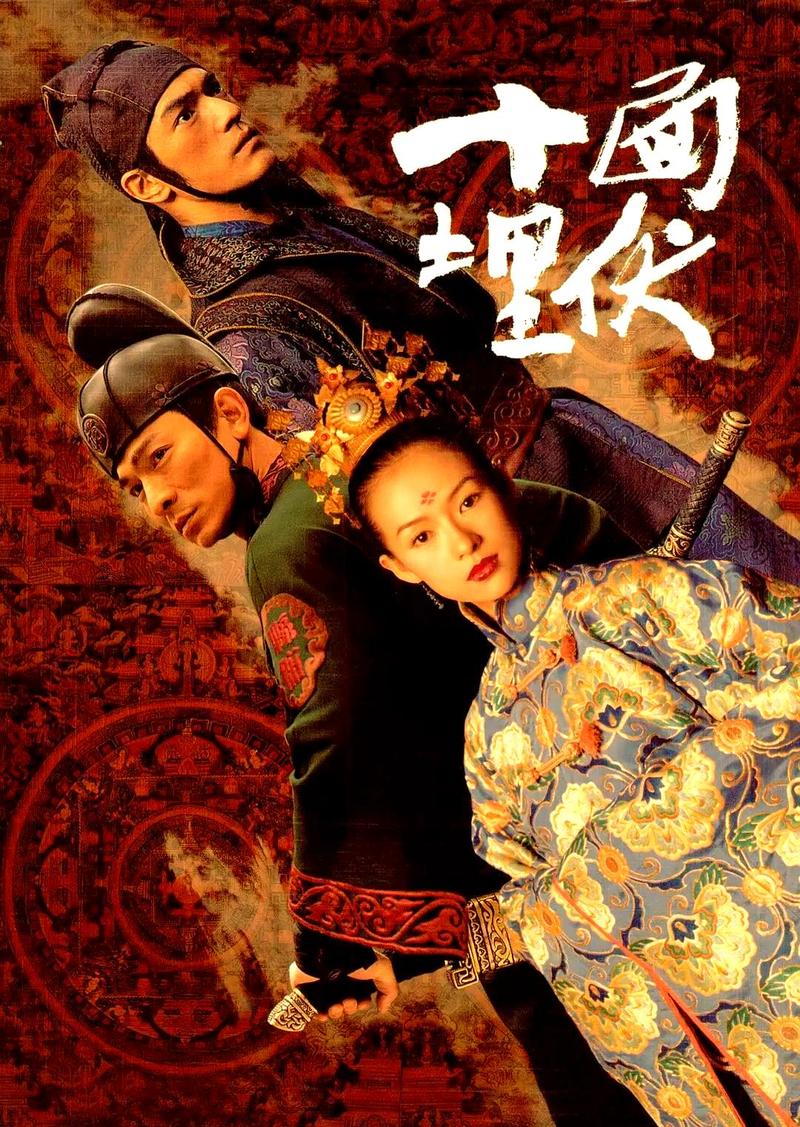
In the 2000s, Zhang moved into large-scale historical epics. Hero (英雄, 2002) and House of Flying Daggers (十面埋伏, 2004) brought his visual mastery to the wuxia genre, using color, choreography, and landscape to stunning effect. Hero became one of the highest-grossing Chinese films ever made internationally and helped spark a global appetite for Chinese cinema.
Beyond features, Zhang directed the opening and closing ceremonies of the 2008 Beijing Olympics — a spectacle watched by hundreds of millions worldwide that showcased both his organizational genius and his deep feeling for Chinese history and culture. Whether in intimate dramas or grand spectacles, his work consistently makes Chinese stories resonate across cultures.