The Role of Dance in Traditional Chinese Festivals and Celebrations
Dance is the beating heart of Chinese festivals, just as folk dances light up Western holidays—think Christmas square dances or Brazilian carnival parades. It doesn’t just entertain; it weaves people into a shared mood and keeps old stories alive.
Setting Joyful, Unifying Moods
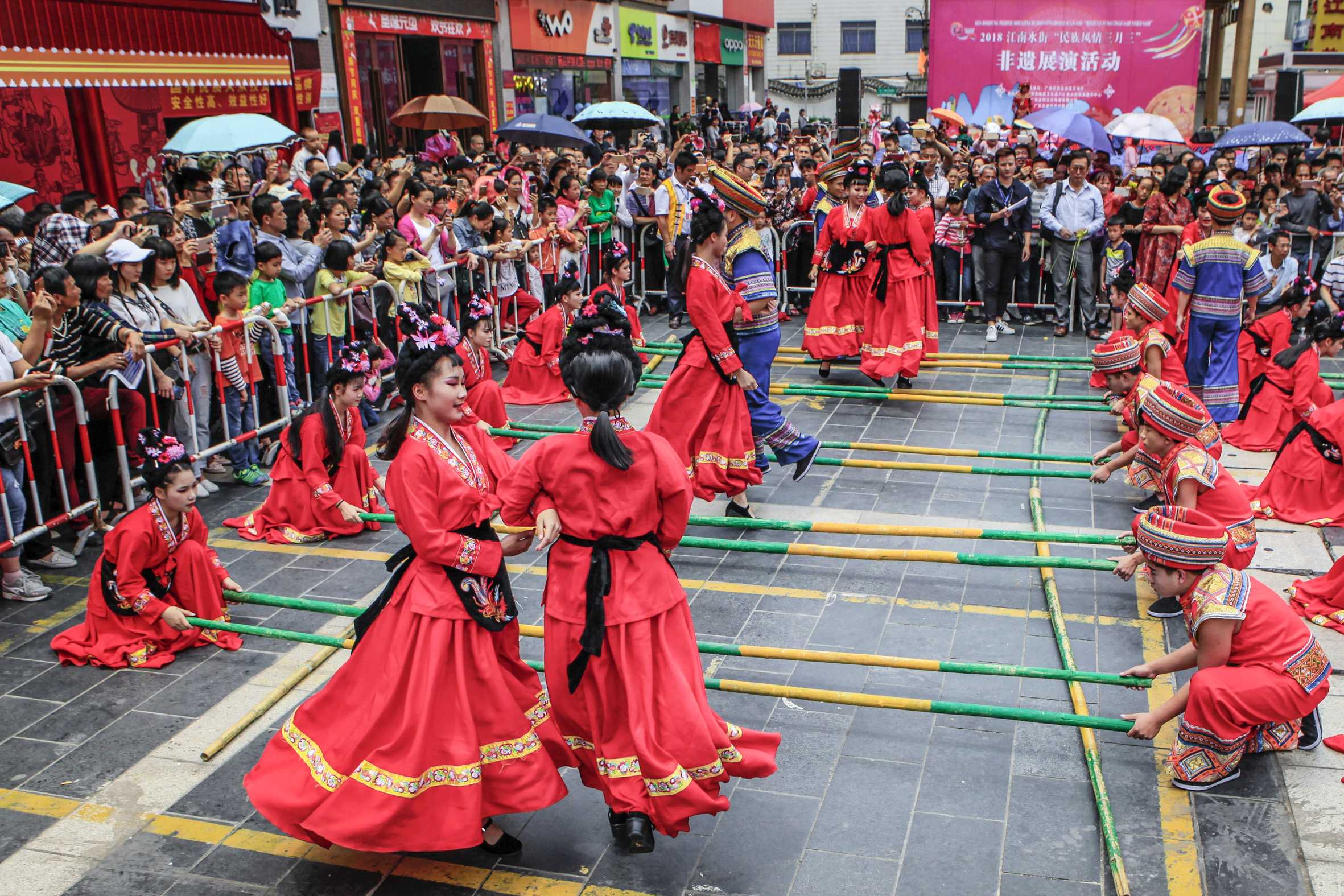
During Spring Festival (Chinese New Year), lion and dragon dances steal the show. Dancers control long dragon costumes, twisting and diving to drumbeats, while lion dancers mimic playful leaps to “catch” red envelopes of luck. It’s like how Western New Year’s parades use dance to turn quiet streets into lively parties—everyone cheers, kids wave, and strangers smile together. At almost any festival, the “Yangge” dance brings whole communities out: people hold colorful ribbons, step in sync, and sing folk songs, much like summer fair square dances where even newcomers join in, turning a crowd into a family.
Carrying Culture and Stories
Dance is a living storybook. For Mid-Autumn Festival, there are soft “moon-worshipping dances”: dancers wear flowing robes, wave silk fans painted with moon and rabbit motifs, and move slowly to gentle music, celebrating family reunions under the full moon. It’s similar to how Irish step dances tell tales of history, or Mexican folk dances recall harvest traditions. Some rural festivals also have “harvest dances,” where farmers mimic sowing and reaping moves to thank the land, echoing harvest dances in European villages.
These dances aren’t just moves—they’re feelings anyone can grasp: joy, respect, and belonging.