The Social Impact and Global Influence of Square Dancing in China
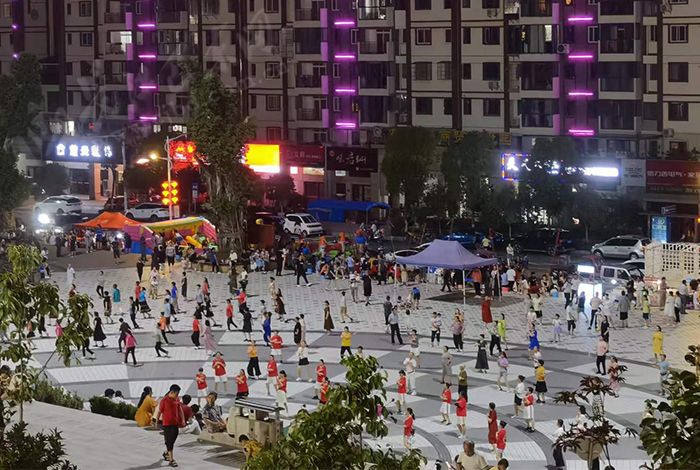
Square dancing, or guangchang wu, is a vibrant part of China’s urban street culture, where groups of mostly elderly people gather in parks or public squares to dance to lively music. Though it may seem simple, this phenomenon reflects deeper social dynamics and carries surprising international relevance.
Imagine a group of retirees in New York’s Central Park or London’s Hyde Park gathering daily for synchronized aerobics—similar to how Chinese square dancers unite for their routines. These dances are often set to pop music, traditional tunes, or even disco, blending fitness with community bonding. For many participants, it’s a way to stay active, combat loneliness, and maintain social connections—a universal need across cultures.
Globally, square dancing has sparked curiosity and even debates, much like flash mobs or public yoga sessions. While some admire its energy and inclusivity, others discuss its volume in shared spaces—a familiar tension in urban life worldwide. Yet, its popularity highlights how grassroots movements can foster joy and togetherness without formal organization.
Beyond China, similar communal dances exist, such as Germany’s Tanztee or Brazil’s samba circles in parks. Square dancing, therefore, isn’t just a local quirk but a testament to how shared rhythm and movement bring people together—proving that sometimes, the simplest dances have the biggest cultural impact.