Capturing the Spirit of Chinese Dance Through Photography and Visual Art
Chinese dance is a mesmerizing blend of fluid movements, symbolic gestures, and vibrant costumes, much like a living painting. To photograph or appreciate its essence, one must understand how it combines technical skill with cultural storytelling—similar to how ballet conveys emotions through precise steps, but with deeper ties to ancient traditions.
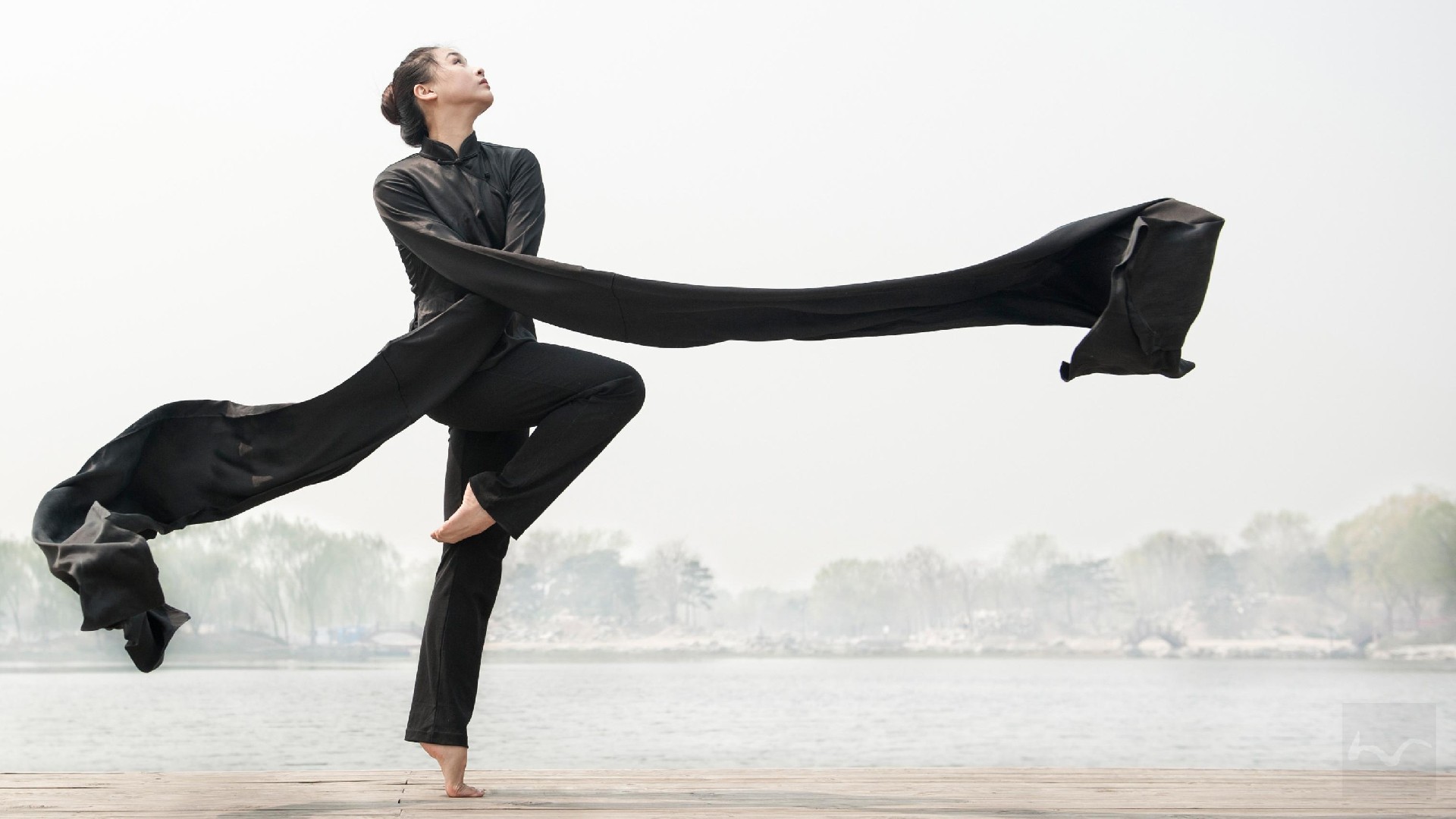
For example, the sleeve dance (袖舞) in classical Chinese performances uses long, flowing sleeves to mimic waves or birds in flight. A skilled photographer might capture the moment when a dancer’s sleeve freezes mid-air, resembling a painter’s brushstroke. Likewise, folk dances like the Mongolian Andai use circular, rhythmic movements to evoke connection with nature—akin to how flamenco expresses passion through footwork and posture.
Visual artists often draw inspiration from dance’s dynamic poses. Think of how Eadweard Muybridge’s 19th-century motion studies froze athletes’ movements; similarly, capturing a dancer’s leap or spin in a single frame requires timing and an eye for balance. The colorful costumes, often embroidered with dragons or peonies, add another layer—like a living tapestry.
To truly grasp Chinese dance’s beauty, one must see beyond the steps: it’s about emotion, history, and artistry woven into motion—a visual language waiting to be discovered.