Nuo Dance: Ancient Rituals Behind Mysterious Masks
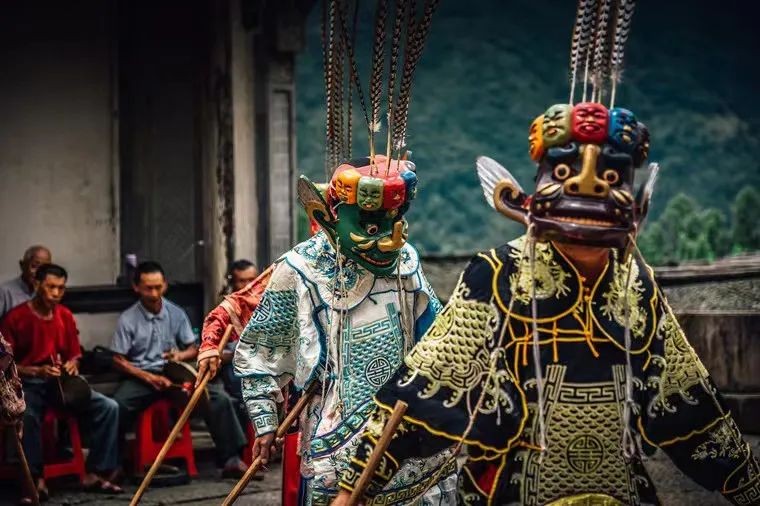
Nuo Dance, a centuries-old Chinese performance art, is more than just movement—it’s a living link to ancient spiritual traditions. Rooted in shamanistic rituals, it was originally performed to ward off evil spirits and pray for harvests, much like how some Western cultures once used seasonal dances to ensure fertility or protection.
The most striking feature of Nuo Dance is its elaborate masks, each representing deities, demons, or mythical creatures. These carved wooden faces, often painted with bold colors, serve as vessels for spirits, similar to how Venetian carnival masks symbolize hidden identities. For example, the Zhong Kui mask—depicting a fierce demon-queller—is as iconic in Nuo performances as a lion costume in a Chinese New Year parade.
Unlike modern dance, Nuo follows strict ceremonial rules, with performers stepping in precise patterns to mimic ancient rites. In regions like Guizhou and Jiangxi, villages still stage Nuo rituals during festivals, blending music, chanting, and dramatic movements. Think of it as a blend of theater, prayer, and community storytelling.
Today, Nuo Dance is preserved as intangible cultural heritage, offering a glimpse into China’s spiritual past. For those curious about China’s deeper traditions, it’s a fascinating window—where every mask tells a story, and every movement echoes ancient beliefs.