China’s Dance Competition System: Taoli Cup, Lotus Award, and Talent Development
China’s dance ecosystem thrives on a structured competition system that nurtures talent and showcases artistic excellence. Two flagship events—the Taoli Cup (桃李杯) and the Lotus Awards (荷花奖)—serve as benchmarks for excellence, much like the Prix de Lausanne in ballet or America’s Got Talent for pop culture.
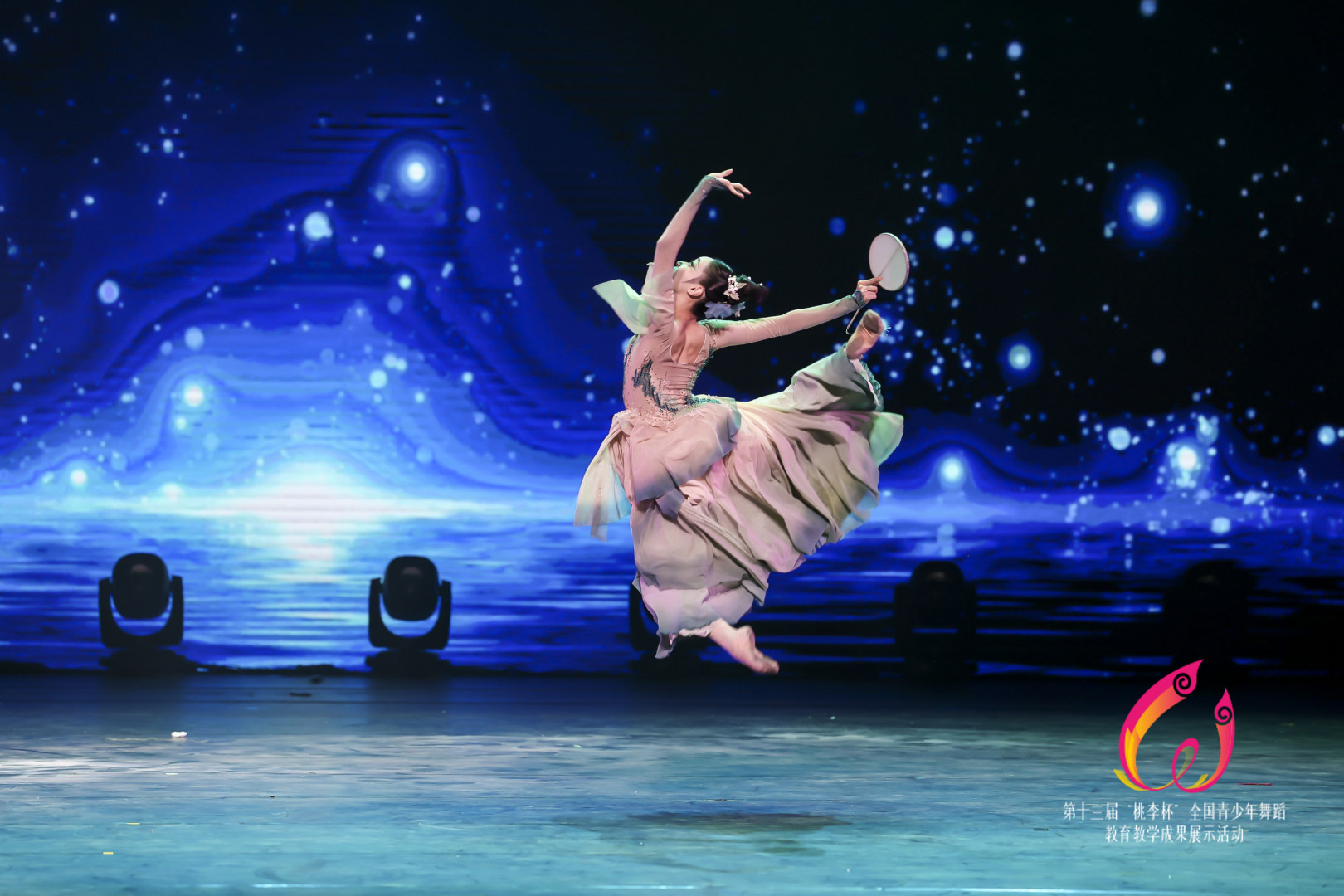
The Taoli Cup, established in 1985, focuses on nurturing young dancers (ages 12–23) in classical Chinese, folk, and contemporary styles. Think of it as the "Olympics for student dancers," where provincial teams compete rigorously. For example, a student performing a fan dance (a traditional art using delicate movements and silk fans) might be judged on precision and cultural storytelling.
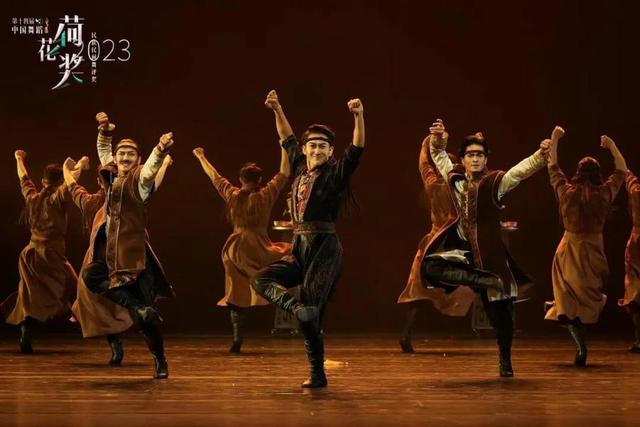
The Lotus Awards, China’s highest national honor for professional dance (since 1998), is akin to the Tony Awards for theater—prestigious and genre-spanning. Both competitions bridge tradition and innovation, reflecting China’s broader cultural ethos.
Beyond awards, these platforms train future choreographers and educators, ensuring the art form’s evolution. For international audiences, they offer a window into how China balances heritage with modernity through movement.