Dialects and Folk Literature: Proverbs, Two-Part Allegorical Sayings, and Local Legends
China’s rich cultural tapestry is woven with diverse dialects and vibrant folk literature, offering a unique window into its people’s wisdom and creativity. Just as regional accents in English (like British vs. Australian English) carry distinct flavors, Chinese dialects—such as Cantonese, Sichuanese, or Shanghainese—shape local identities. These dialects are the lifeblood of folk expressions like proverbs, two-part allegorical sayings (xiehouyu), and local legends.
Proverbs, akin to universal shortcuts for shared experiences, distill life lessons. The Mandarin saying “A single spark can start a prairie fire” (星星之火,可以燎原) mirrors Western idioms like “Small beginnings lead to great endings.”
Meanwhile, xiehouyu (Two-Part Allegorical Sayings)—pithy phrases with a surprising twist—are like riddles. For example, ‘哑巴吃黄连——有苦说不出’ (a mute eating bitter melon—unable to complain about the bitterness) vividly illustrates silent suffering, much like the English idiom "swallowing one’s anger."
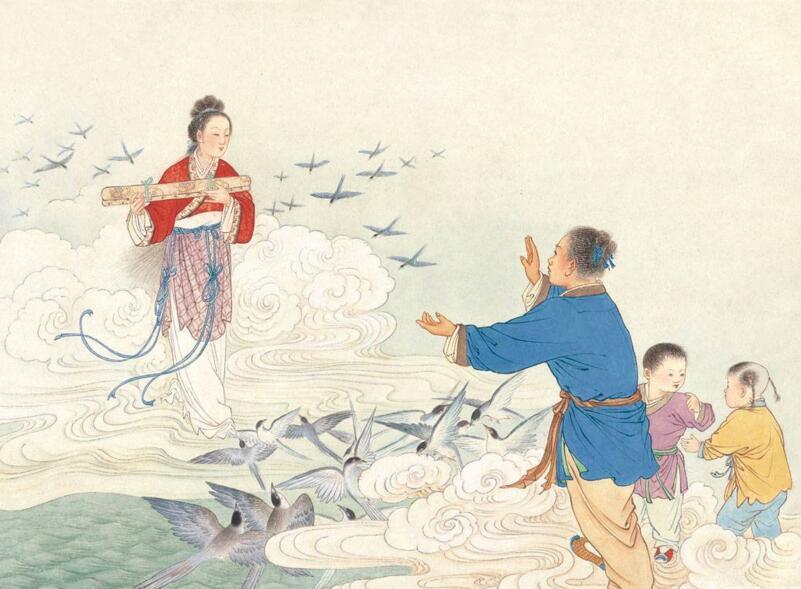
Local legends, passed down orally, resemble global folklore. The tale of The Cowherd and the Weaver Girl (牛郎织女), whose annual reunion is celebrated during the Qixi Festival (China’s Valentine’s Day), echoes stories like Romeo and Juliet or Tristan and Isolde—love overcoming barriers.
Through dialects and folk tales, China’s cultural DNA unfolds—a blend of humor, morality, and timeless human themes, universally relatable yet distinctly Chinese.