Migration and Cultural Shifts: The Impact of Crossing the Northeast and Venturing to Nanyang
China’s history is marked by dramatic population movements that reshaped its culture—much like the American Westward Expansion or the European diaspora. Two key examples are the 19th–20th century migrations of Crossing the Northeast (闯关东) and Venturing to Nanyang (下南洋).
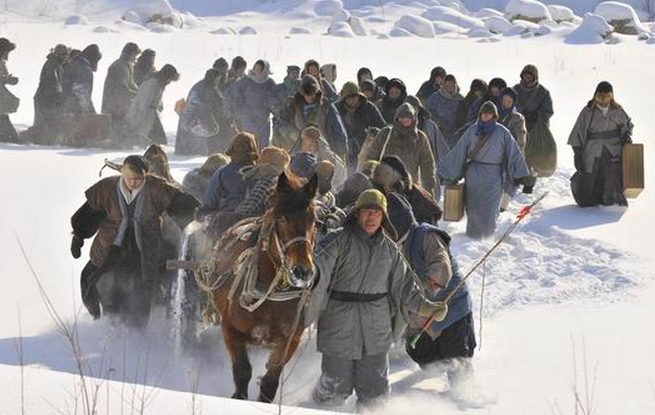
Crossing the Northeast saw millions from China’s crowded northern provinces brave harsh winters to settle in today’s Northeast China. Like pioneers in the U.S., they introduced farming techniques and blended local customs with their own, creating a unique hybrid culture. For instance, Shandong-style dumplings became a staple in the region, much like how Italian immigrants popularized pizza in the U.S.
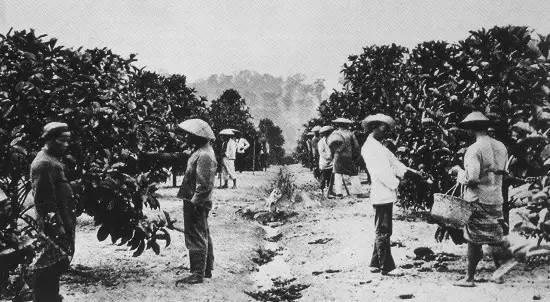
Meanwhile, Venturing to Nanyang (Southeast Asia) involved traders and laborers heading to countries like Indonesia and Malaysia. These migrants, akin to historical global explorers, spread Chinese New Year traditions abroad—such as giving red envelopes (hongbao)—which were later adapted into local celebrations. In Singapore, for example, this practice merged with Malay hospitality, creating a distinct regional flavor.
Both movements highlight how migration forges new identities. Just as the U.S. melting pot blends cultures, China’s history shows how movement transforms traditions while keeping core values alive. These stories offer a glimpse into how adaptability has shaped modern Chinese society.