Kite Flying: Dancing with the Wind
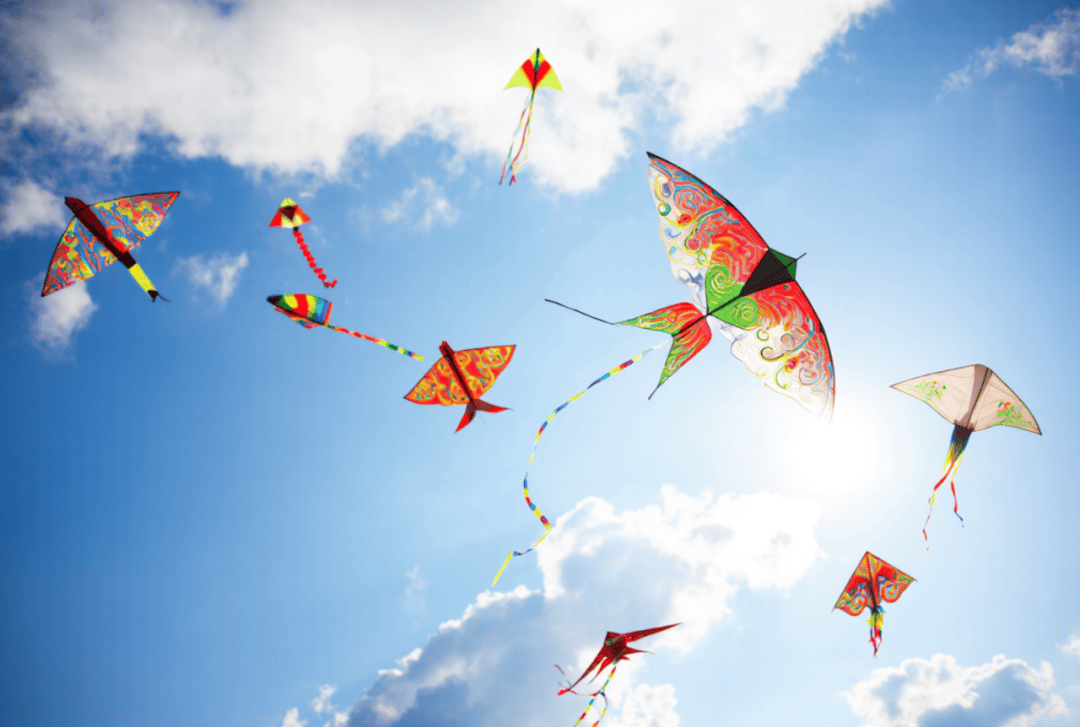
Kite flying in China is far more than a simple pastime; it is a vibrant thread woven into the fabric of the nation's folklore and seasonal rhythms. For over two millennia, these colorful creations of silk or paper have soared above Chinese landscapes, carrying with them the hopes, artistry, and communal spirit of the people. Unlike the intense rivalry of dragon boat racing, kite flying offers a dialogue with the sky—a gentle yet profound celebration of nature, craft, and auspicious wishes.
Originally serving military and communication purposes centuries ago, the kite evolved into a beloved folk custom, deeply intertwined with the Qingming Festival. Flying a kite in spring, especially on Tomb-Sweeping Day, is a symbolic act of sending away misfortune and illness with the wind, while welcoming health and good luck for the coming year. People would sometimes write ailments on a paper kite, cut the string, and let it drift away, believing it carried their troubles into the distance. The kite itself is a piece of folk art, with classic shapes like the Beijing "Swallow" or the Weifang "Centipede" showcasing local aesthetics and craftsmanship passed down through generations.
Today, from the grand International Kite Festival in Weifang to family outings in a spring park, this tradition thrives. It connects generations, turns the sky into a canvas of dancing colors, and reminds everyone of a simple joy shared for thousands of years. It is a living heritage, where a tug on a string feels like a handshake with history itself.