Stinky Mandarin Fish: An Anhui Fermented Delicacy
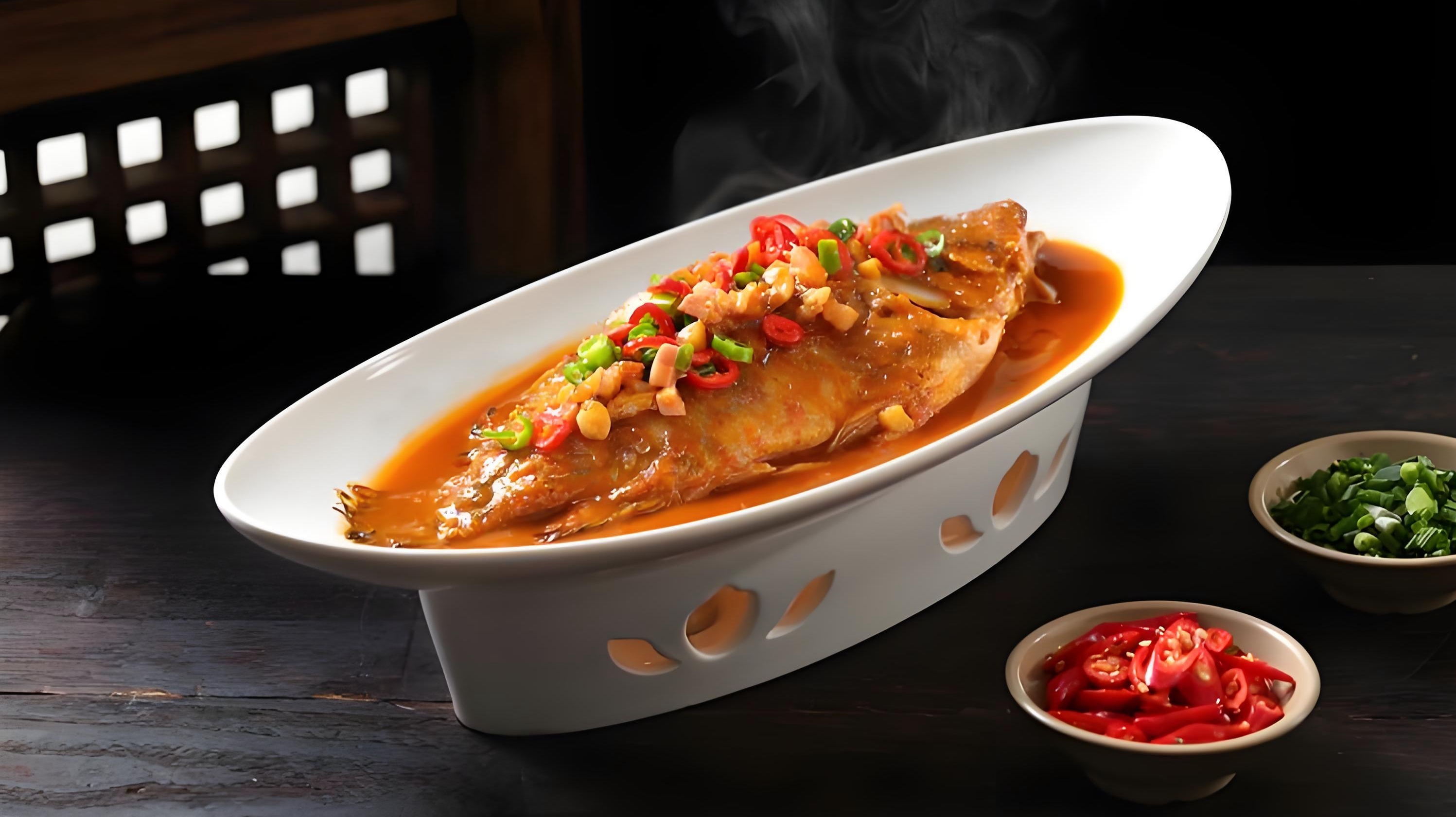
Stinky mandarin fish (臭鳜鱼) is one of the most distinctive dishes in Anhui cuisine (徽菜), originating from the mountainous Huizhou region of southern Anhui Province. Despite its provocative name, this fermented fish dish is considered a delicacy, prized for its uniquely pungent aroma and its rich, deeply savory flavor that bears little resemblance to ordinary cooked fish.
The preparation of stinky mandarin fish relies on a traditional fermentation method developed centuries ago, when transporting fresh fish from the coast to the inland mountains was difficult. Whole mandarin fish are layered with salt in wooden barrels or sealed containers and left to ferment at room temperature for five to seven days. During this time, the fish develops a powerful smell, but the flesh firms up beautifully and absorbs a complexity of flavor impossible to achieve through ordinary cooking.
Once fermented, the fish is rinsed, then braised or pan-fried with aromatics such as ginger, garlic, chili, and Shaoxing wine. The result is a dish with a crispy skin, tender meat that pulls away from the bone cleanly, and a bold, layered taste that local diners describe as fragrant rather than foul. The key is that, unlike truly spoiled food, properly fermented mandarin fish is safe, controlled, and intentional.
Today, stinky mandarin fish remains a signature dish in Anhui restaurants across China and is celebrated as a symbol of Huizhou culinary ingenuity. For adventurous food lovers, it offers a fascinating window into the ancient Chinese art of fermentation, where patience and tradition transform humble ingredients into something genuinely extraordinary.