Moutai Liquor Brewing Technique
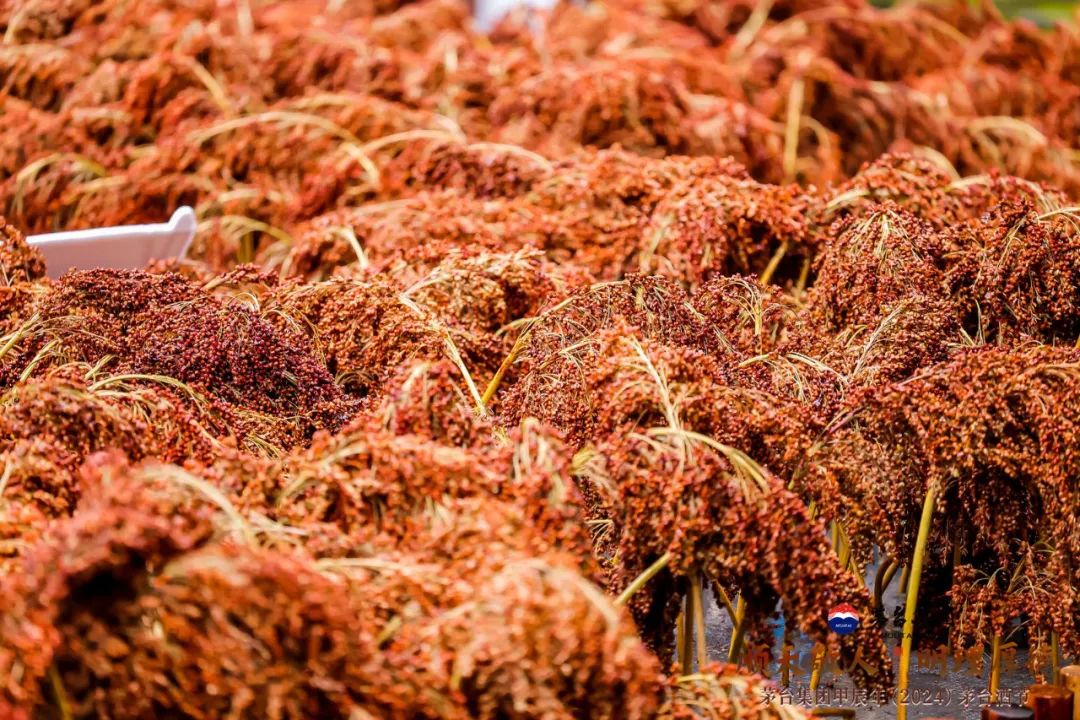
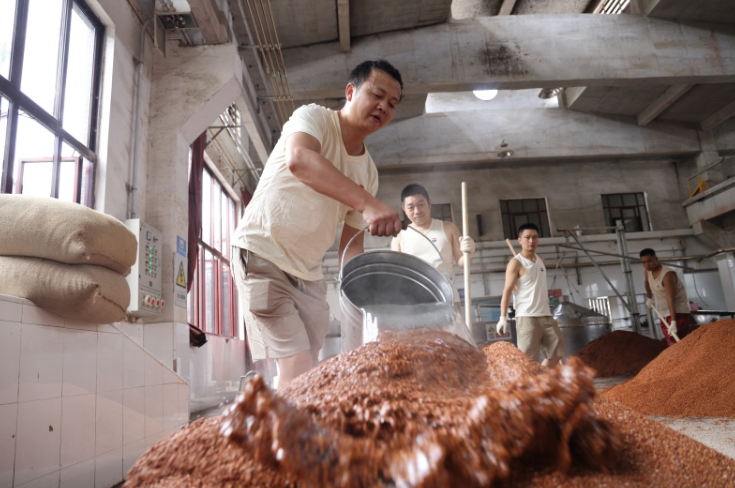
Moutai (or Maotai) liquor comes from Maotai Town in Guizhou Province, a small valley at 450 meters above sea level where the Chishui River flows through. The water is soft, low in minerals, and pollution-free. The purplish-red soil, combined with a microclimate of warm winters, hot summers, little wind, and light rain, creates a unique community of airborne microorganisms. You cannot see them, but you can taste them. Moutai is a sauce-aroma spirit made with daqu starter. The entire brewing cycle takes one full year: starter cakes are made around the Duanwu Festival, and the first grain input begins around the Chongyang Festival. The mash undergoes nine steamings, eight fermentations, and seven distillations. After that, the liquor is stored and aged for five years before bottling. Its defining features include high-temperature starter cultivation, high-temperature stacking, and high-temperature distillation. As early as the Han dynasty, during the reign of Emperor Wu over 2,000 years ago, people in the Maotai area were already brewing a proto-liquor known as Goujiang wine. For centuries, Moutai has continued to use this ancient method unchanged. Experts call it “a model of applying microbiology in brewing.”