Heritage Grid | The City Beneath the City: Yangzhou's Buried Secret
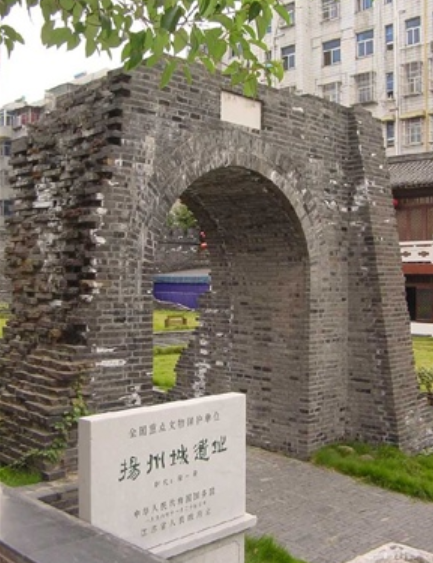
Beneath today’s busy streets of Yangzhou lies a hidden surprise—not just old rubble, but layers of an entire ancient city stacked like pages in a stone notebook. Archaeologists found something amazing here: the eastern gate of the Song Dynasty city, buried for almost 1,000 years, sits right on top of Tang Dynasty ruins. Under those are even older buildings. It’s like one city was built over another, again and again—a “palimpsest” of urban life waiting to be explored.
A Thousand Years, A Single Spot
What are the Yangzhou City Ruins? They’re not one place but many: leftovers of a huge ancient city that thrived from the Sui to Song dynasties (581-1279 CE). The ruins include the large Tang Dynasty subcity (Zicheng) and outer city (Luocheng), which together formed one of the largest and wealthiest cities of the medieval world.
Why here? Yangzhou’s success came from a single big engineering project. In 486 BCE, King Fuchai of Wu dug the Han Gou—the first part of the Grand Canal—connecting the Yangtze River to the Huai River. This small canal turned Yangzhou into the key link between China’s farming south and its political north. By the Tang Dynasty, when the Grand Canal was fully completed, Yangzhou controlled the flow of grain, salt, and goods that sustained the empire. It became China’s richest city, leading to the famous saying: “Yangzhou first, Yizhou (Chengdu) second.”
Where North Meets South: An Architectural Mix
Yangzhou’s Unique Identity
The ruins uncover Yangzhou’s special charm. Unlike Suzhou’s private, hidden gardens, Yangzhou’s classical gardens—like the Slender West Lake—mix northern boldness with southern elegance. In the 1700s, rich salt merchants raced to build lakeside villas, forming a chain of gardens that not only copied Beijing’s royal style but kept Jiangnan’s elaborate artistry.
This blend of styles shows Yangzhou’s position as a cultural meeting point. Easy water travel brought garden experts and workers from all over China, creating a local style that mixed northern grandeur and southern beauty. Even now, Tang Dynasty wall ruins stand near Qing Dynasty gardens—a conversation across time.
The Global City
Yangzhou mattered far beyond China. In the Tang Dynasty, it was a global hub—Persian and Arab traders filled its markets, Korean students learned in its temples, and Japanese monks like Jianzhen (who tried six times to sail from Yangzhou to Japan) learned its culture before sharing it in East Asia. The city was key to the maritime Silk Road, connecting the Yangtze River to the Indian Ocean.
The Grand Canal, with Yangzhou at its heart, became a UNESCO World Heritage site in 2014. This honors its worldwide importance as the largest human-made waterway.
What Makes Yangzhou Different?
Comparing Yangzhou to well-kept old cities like Pingyao in Shanxi Province shows clear differences. Both thrived as trading hubs in ancient China, using wealth to build their cities. But Pingyao served mainly its region, with thick walls and simple buildings showing tough northern frontier life. Yangzhou reached further—it became a national and global center that changed China’s economy, politics, and culture during feudal times.
Suzhou’s gardens reflect quiet retreats for retired scholars, while Yangzhou’s gardens show off merchant wealth through open spaces and bold personal flair. Cities like Xi’an or Luoyang hide ancient ruins under modern streets, but Yangzhou weaves its history into daily life. A Tang Dynasty stone pagoda stands on a busy road island, while an old locust tree still shades passersby.
The Yangzhou City Ruins don’t give us a frozen museum piece. Instead, they offer an honest look at city life over time—layered, messy, and full of surprises. Each dig uncovers new chapters in its story.
Related articles
-
 The Essence of Wu-Yue Culture: a Legacy of Prosperity and Innovation in Jiangsu and Zhejiang
More
-
Heritage Grid | China's "Fifth Great Invention"? The Imprint of a Civilization Shaped by Examinations
More
-
Nanjing: the Southern Capital of History and Culture
More
-
The Essence of Gusu Culture: Suzhou's Timeless Heritage and Beauty
More
-
Kunqu Opera: the Ancestor of All Chinese Operas
More