Mencius: the Second Sage
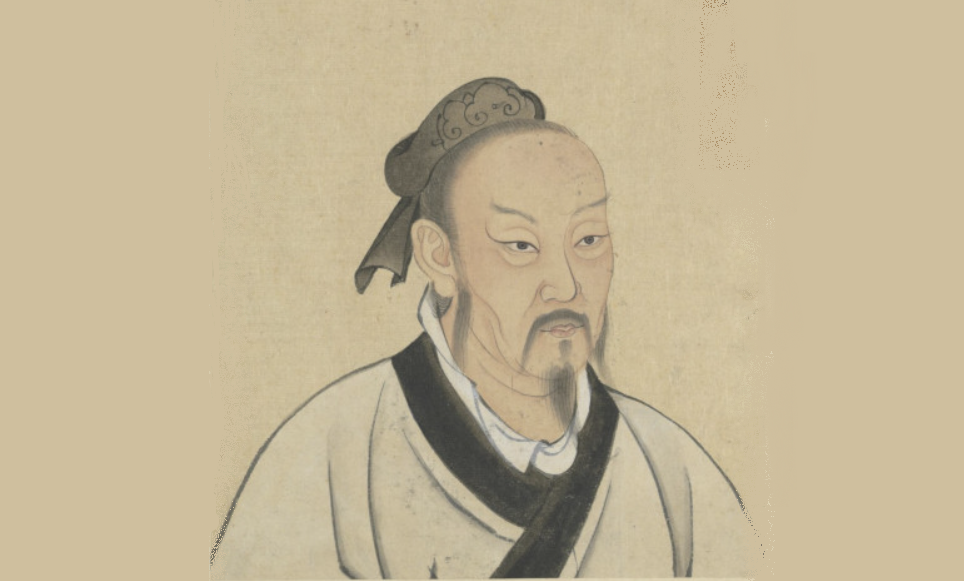
Mencius, born approximately 100 years after Confucius, was originally named Ke. He was born in what is now the southeast of Zoucheng, Shandong Province. According to tradition, he was a descendant of the noble Mengsun clan of the State of Lu. Losing his father at a young age, Mencius grew up in poverty but demonstrated a strong passion for learning.
Mencius shared many similarities with Confucius: 1. Both were avid and erudite learners. 2. Both experienced setbacks in their attempts to persuade rulers while traveling through various states. 3. Both gathered disciples and dedicated themselves to grassroots education. 4. Their philosophies aligned, as they upheld the traditions of ancient sage-kings Yao and Shun, emphasizing benevolence, righteousness and morality. 5. Both believed they bore a divine mandate to guide humanity.
These parallels underscore Mencius’s role as a loyal follower of Confucius, inheriting and carrying forward his intellectual legacy. Mencius often invoked the example of Yao and Shun in his teachings and held Confucius in the highest esteem, stating, "Since the dawn of humanity, there has been none like Confucius." He revered Confucius as the "sage of his time" and a paragon of virtue, aspiring to inherit and advance his teachings.
While deeply influenced by Confucius, Mencius expanded and developed Confucian thought. He extended Confucius’s principle of benevolence to encompass benevolence and righteousness, emphasizing both equally. Where Confucius spoke of sacrificing one’s life for benevolence, Mencius advocated sacrificing one’s life for righteousness. He elevated Confucius’s idea of will to aspiration and vitality, promoting the cultivation of moral resolve and inner strength. Additionally, while Confucius focused on ritual, Mencius emphasized the integration of benevolence, righteousness, propriety and wisdom.
Mencius significantly enriched and advanced the Confucian tradition, innovating and supplementing its core principles. For these contributions, he was first honored as the Second Sage (亚圣) by Zhao Qi of the Eastern Han dynasty. In the Song dynasty, Mencius was posthumously conferred the title Duke of Zou, and in the Yuan and Ming dynasties, he was officially recognized as the Second Sage.