The Rise of Chinese Sci-Fi: Starting with The Three-Body Problem
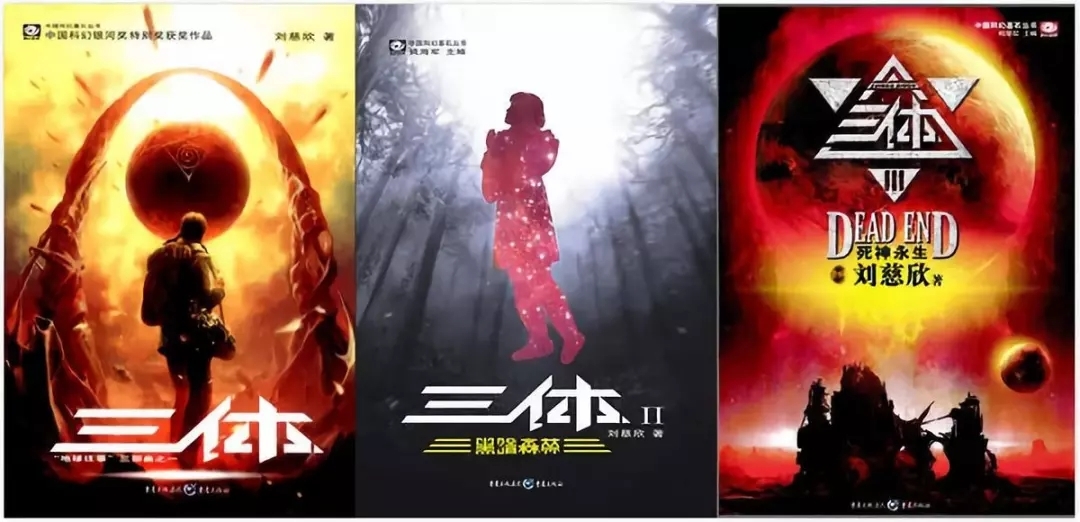
Chinese science fiction, once niche, is now gaining global attention—thanks largely to Liu Cixin’s The Three-Body Problem. This award-winning novel, the first in a trilogy, explores humanity’s first contact with an alien civilization, blending hard science with deep philosophical questions. Its success mirrors how Star Wars or Dune captivated international audiences by merging imagination with big ideas.
Before The Three-Body Problem, Chinese sci-fi was less known abroad, though it had a rich history. Writers like Zheng Wenguang (1929–2003) pioneered the genre in the 20th century, but limited translations restricted its reach. Today, works like Liu’s are bridging the gap. The novel’s themes—survival, ethics in science, and cosmic threats—resonate universally, much like how The Martian or Interstellar explore human resilience in space.
What makes Chinese sci-fi unique? It often reflects China’s rapid modernization and historical context. For example, The Three-Body Problem references China’s Cultural Revolution, offering a lens into the nation’s past while imagining its future. Similarly, newer works like Hao Jingfang’s Folding Beijing (winner of the Hugo Award) depict futuristic cities with stark social divides, echoing global urban challenges.
With more translations and adaptations (like the Netflix series of The Three-Body Problem), this genre is helping the world see China’s creative voice. It’s not just about aliens or lasers—it’s a window into how a rising culture envisions tomorrow.