
The Mao Dun Literature Prize and Contemporary Chinese Serious Literature
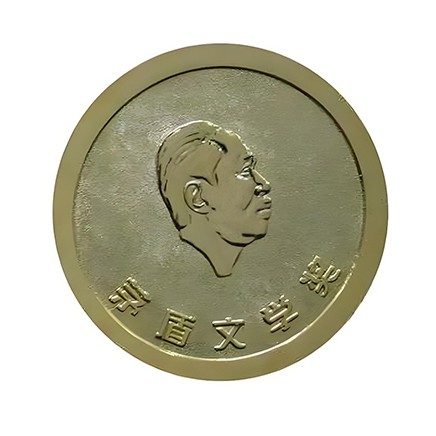
The Mao Dun Literature Prize, established in 1981, is China’s most prestigious award for long-form fiction, often compared to the Booker Prize (UK) or the Pulitzer Prize (US). Named after Mao Dun, a renowned 20th-century writer, it honors novels that reflect deep social insights and artistic excellence. Winning a work typically explores themes like historical change, family struggles, or rural-urban shifts—mirroring how Western literature addresses societal issues (e.g., To Kill a Mockingbird or One Hundred Years of Solitude).
For example, Mo Yan’s Frog (2011 winner) explores China’s population control policies through the lens of a midwife’s conscience, blending stark realism with emotional depth to confront the moral dilemmas of modernization. Similarly, Liu Zhenyun’s One Sentence Counts for One Thousand (2011 winner) examines bureaucracy through humor, akin to satirical works in global literature.
While China’s literary scene is vast, the Mao Dun Prize highlights serious writing, akin to how Nobel Literature spotlights profound voices. Many winners, such as Mo Yan, later gain international acclaim, bridging cultural gaps. For readers unfamiliar with Chinese narratives, these novels offer a window into the nation’s evolving identity, much like how Dickens reveals Victorian England.
The prize thus serves as a guide to China’s rich literary tapestry, proving that even in a fast-changing world, storytelling remains a universal language.