Tang Xianzu and The Peony Pavilion: Meet the Shakespeare of the East
In the year 1616, the world lost two brilliant playwrights on opposite sides of the globe: William Shakespeare in England and Tang Xianzu in China. Widely celebrated as the Shakespeare of the East, Tang was a master dramatist of the Ming Dynasty whose works explored the profound depths of human emotion. While Shakespeare was penning his timeless tragedies and comedies, Tang was defining the golden age of Chinese theater.
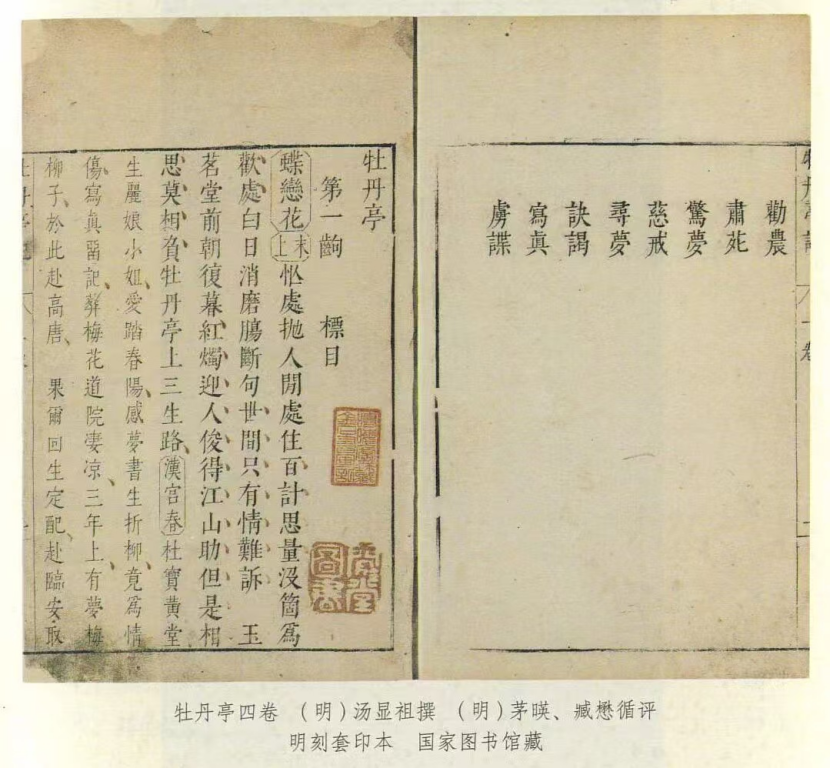
His crowning achievement is The Peony Pavilion, a monumental masterpiece of romantic literature and the jewel of elegant Kunqu Opera. The play tells the surreal, captivating story of Du Liniang, a cloistered teenage noblewoman. After a forbidden stroll in her family garden, she falls asleep and dreams of a passionate romance with a young scholar, Liu Mengmei, whom she has never met.
Waking up to the strict realities of feudal society, Liniang pines away for her dream lover and dies of a broken heart. But in Tang Xianzu’s universe, death is not the end. Liniang leaves behind a self-portrait, and her spirit lingers. Years later, the real Liu Mengmei discovers the painting. He falls so deeply in love with her ghost that his devotion literally brings her back from the grave, allowing them to reunite in the living world.

For Western readers, imagine Romeo and Juliet, but with a magical realist twist where love truly conquers death. Tang Xianzu famously summarized the core philosophy of the play in his preface, stating that love is of a source unknown, yet it grows ever deeper; the living may die of it, and by its power, the dead can live again. More than a supernatural romance, The Peony Pavilion was a revolutionary critique of rigid Confucian dogma. It championed the idea that genuine human emotion is a universal force far more powerful than societal rules or even mortality.