The Book of Songs: The Roots of Chinese Poetry
The Book of Songs (诗经, Shijing) is the oldest existing collection of Chinese poetry, compiled around the sixth century BCE. It contains 305 poems drawn from various regions of China, spanning roughly five hundred years. The collection is divided into three sections: feng (风), folk songs from different states; ya (雅), court hymns performed at royal ceremonies; and song (颂), ritual hymns used in ancestral worship. Together they offer a vivid picture of life, love, labor, and ceremony in early China.
What makes the Shijing remarkable is its directness and human warmth. Many folk songs deal with themes that feel universal — the longing of a young woman for her absent lover, a soldier's homesickness on a distant frontier, the joy of a wedding celebration. These poems were composed by ordinary people, and their language is simple, concrete, and emotionally immediate. Reading them today, it is easy to forget that they are nearly three thousand years old.
Confucius held the Shijing in the highest regard, saying that studying it would teach a person to be observant, to build social bonds, and to express grievances without bitterness. For centuries the collection was considered essential reading for any educated person in China. It became one of the Five Classics (五经) at the heart of Confucian education, and the ability to quote from it was a recognized mark of learning and refinement.
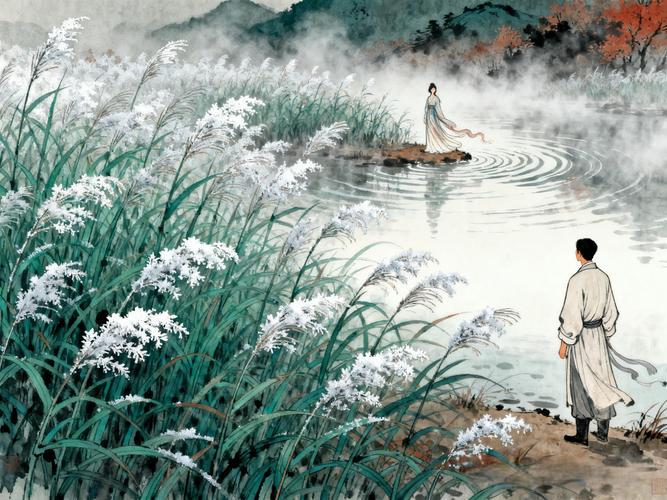
The influence of the Shijing on Chinese literature cannot be overstated. Its imagery — of plum blossoms, calling geese, rivers at dusk — entered the bloodstream of Chinese poetry and has been echoed by poets in every dynasty since. The very first line of the collection, describing two ospreys calling to each other across the water, remains one of the most recognized opening lines in all of Chinese literature.