The Book of Documents: Ancient China's Oldest Written Records
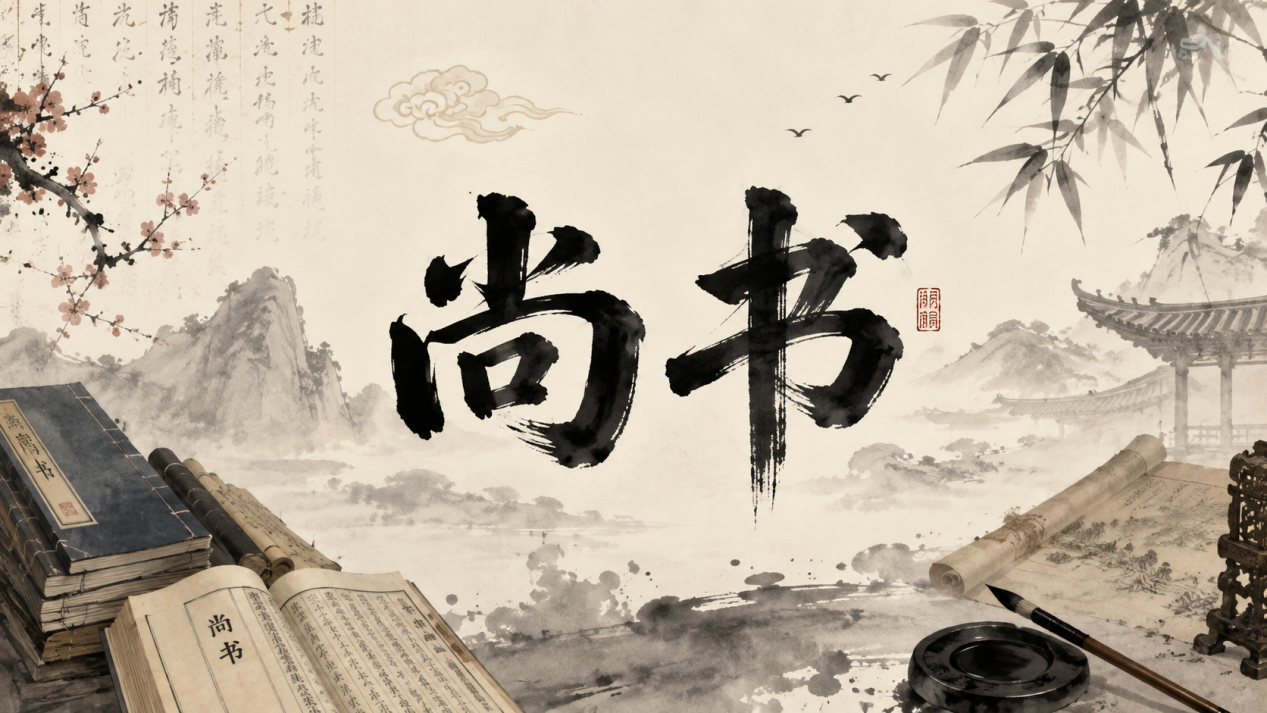
The name Shangshu means books from ancient times. It is a collection of historical documents and records from early China, along with some writings that look back on even older events. During the Spring and Autumn and Warring States periods, it was simply called Shu (The Books). It was only in the Han dynasty that it became known as Shangshu. Because Confucianism regards it as a classic, it is also called the Book of Classics (《书经》).
It is said that the Shangshu originally had one hundred chapters. But after the First Emperor of Qin burned many books, only twenty-eight chapters were recovered by the early Han dynasty (some say twenty-nine, depending on how the chapters are counted).
Among the surviving chapters, the Pangeng section is probably the oldest. It records a speech that King Pangeng of the Shang dynasty gave to his people when he moved the capital. Although the language is very old and hard to understand, you can still feel the king's emotions and his sharp tone in some places.
The documents from the Shang dynasty to the Western Zhou period are all very difficult and awkward to read. The Tang dynasty writer Han Yu famously described them as Jie Qu Ao Ya (诘屈聱牙), meaning they are stiff and hard to get through. Some people think this is because the texts were copied wrongly over so many years. But when we compare them with long inscriptions found on bronze vessels from that time, we can see that this was just how writing was done back then. The real reason is likely that written language at that early stage was not yet fully developed. It mixed in spoken expressions, often jumped around in logic, and even the choice of characters was not standardized. However, the later chapters of the Shangshu are much easier to follow. This shows how written Chinese was gradually maturing over time.