Yin-yang and Five Elements Theory: The Laws of the Universe
Origins of Yin-yang and Five Elements
Yin-yang and five elements theory emerged over 2,000 years ago, evolving from ancient Chinese observations of nature, much like how Greek philosophers developed their theories of the four elements (earth, air, fire, water). The I Ching (Book of Changes), a foundational text, laid the groundwork for yin-yang—the idea that opposing forces (dark/light, female/male) are interconnected and interdependent, similar to Heraclitus’ concept of “unity in opposites.” The five elements (wuxing: wood, fire, earth, metal, water) were later added to explain cyclical changes, such as seasons and growth.
Core Content of the Theory
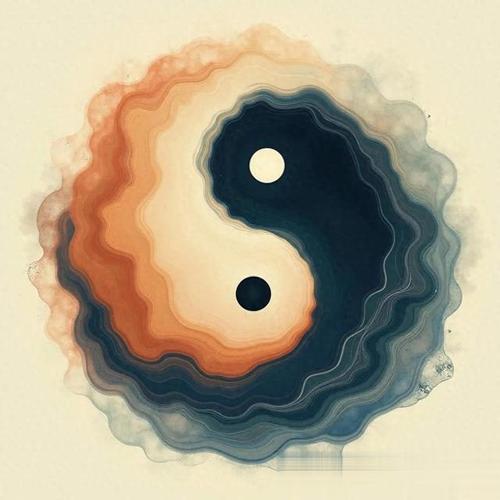
Yin-yang represents balance: neither force is static; they transform into each other, like day turning to night. The five elements interact in “generating” (wood feeds fire) and “overcoming” (water extinguishes fire) cycles, creating a dynamic system that explains everything from weather patterns to human health—comparable to how modern science uses ecosystems to model interdependence. Unlike Western dualism (good vs. evil), this theory sees harmony as the goal, with imbalance causing disruption.
Philosophical and Practical Applications
This theory permeates Chinese philosophy, influencing Taoism (which emphasizes living in harmony with nature) and Confucianism (which applies it to social order: rulers as yang, subjects as yin). It also shapes medicine—acupuncturists balance yin-yang in the body—and martial arts (tai chi movements mimic element cycles). Globally, its ideas resonate in holistic health practices and environmentalism, which stress balance in natural systems. Today, it remains a lens through which many Chinese view the world, offering a timeless framework for understanding complexity.