The Philosophy and Divination of the I Ching (Yijing)
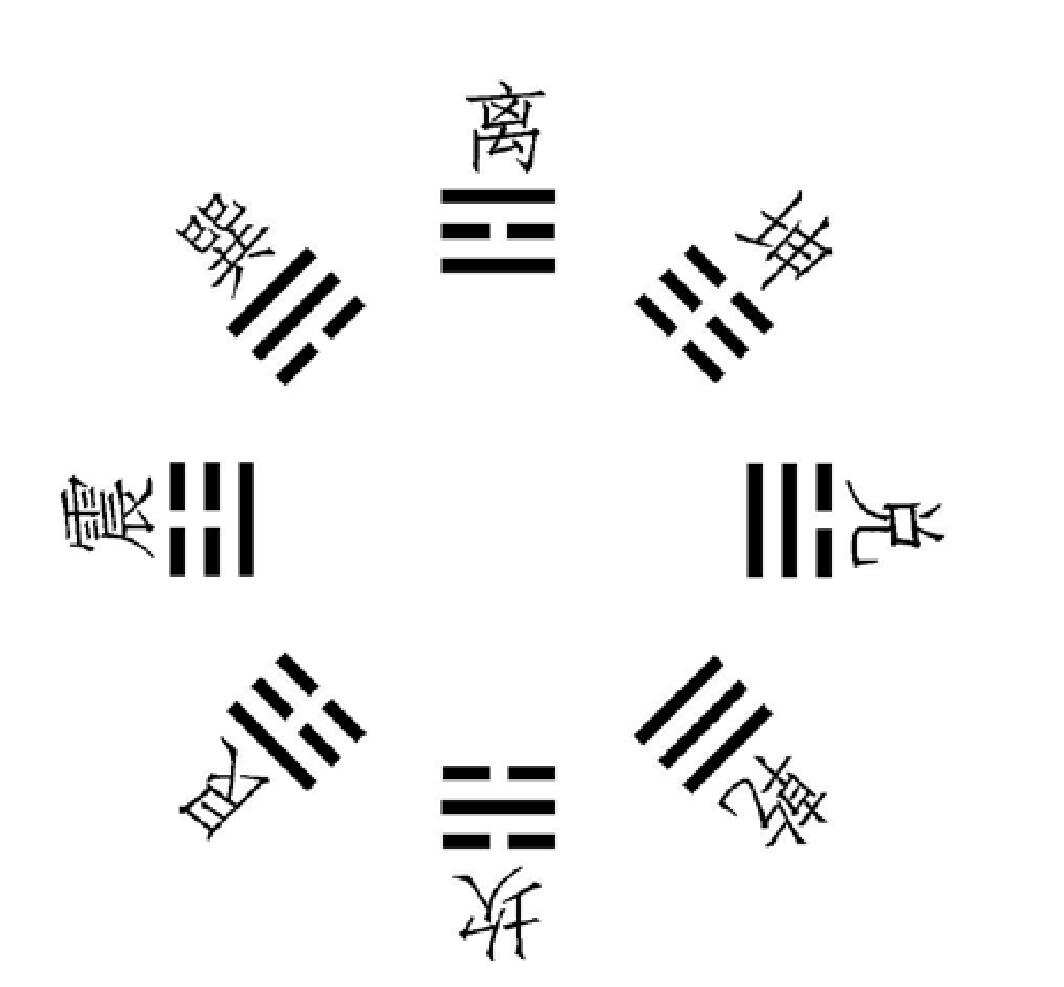
The I Ching (or Yijing), one of China’s oldest classics, is both a philosophical text and a divination tool. For centuries, it has guided decisions by helping people understand patterns in life—much like how Western astrology offers insights. But instead of focusing on stars or the subconscious, the I Ching uses symbolic images (象, xiàng), numbers (数, shù), logic (理, lǐ), and divination (占, zhān) to explain change.
Imagine flipping a coin or counting yarrow sticks to get a hexagram (a stack of six broken or unbroken lines). Each hexagram represents a situation, like Progress (symbolizing momentum) or Obstruction (challenges ahead). These aren’t rigid predictions but frameworks to reflect on choices—similar to how a flowchart helps solve problems.
The I Ching’s core idea is that reality is dynamic: "Change is the only constant." Its 64 hexagrams mirror life’s complexities, blending natural imagery (e.g., thunder, water) with human experiences. For example, the hexagram The Well (井, jǐng) likens a community’s shared resource to a well—reminding us that nurturing foundations (like relationships or values) sustains growth.
Foreigners might compare it to a mix of Stoic philosophy (adapt to change) and a decision-making app. Whether you see it as wisdom literature or a cultural artifact, the I Ching offers a unique lens to explore balance, timing, and interconnectedness—a timeless tool for navigating uncertainty.