The Wisdom of Sun Tzu’s The Art of War and Its Modern Relevance
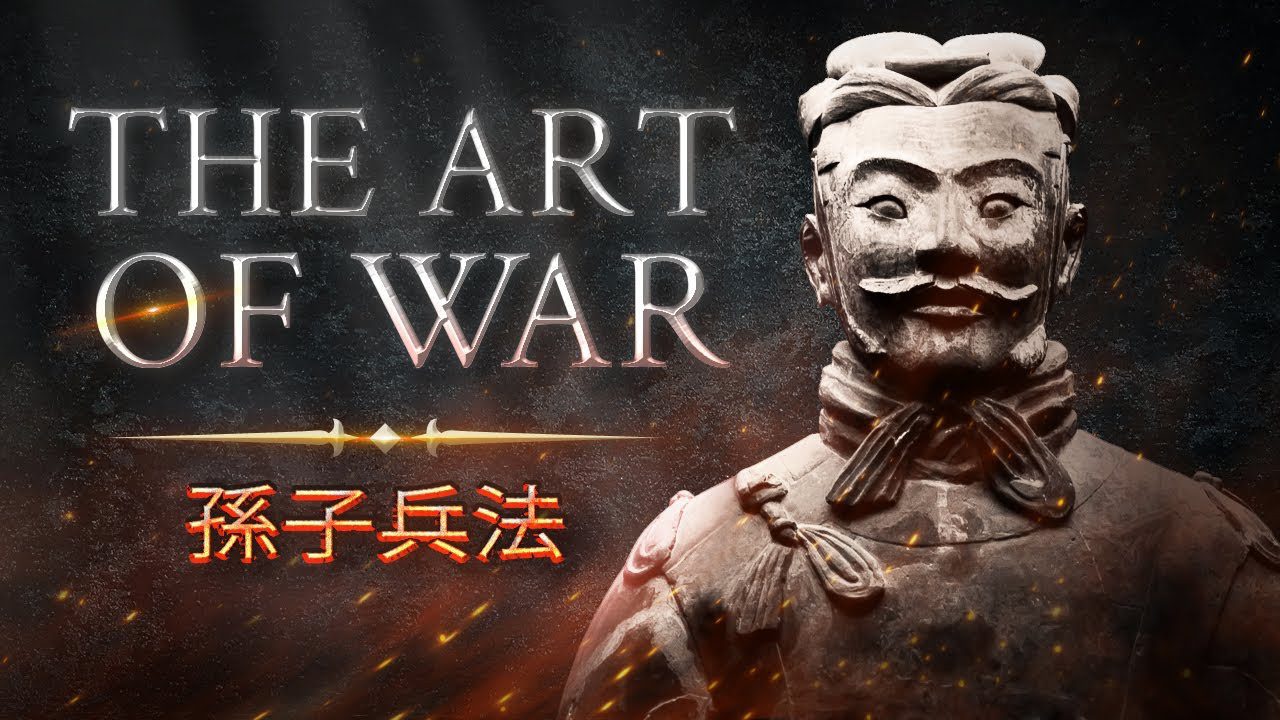
Sun Tzu’s The Art of War, written over 2,000 years ago, is a classic Chinese text on strategy that remains surprisingly relevant today. Though originally about military tactics, its principles are now applied in business, sports, and even daily decision-making.
One key idea is “Know your enemy and know yourself, and you can fight a hundred battles without disaster.” This translates to understanding both your strengths and your opponent’s weaknesses—a concept familiar in competitive sports or business negotiations. For example, a company launching a new product studies market rivals (the “enemy”) and its own resources (the “self”) to gain an edge.
Another principle, “The supreme art of war is to subdue the enemy without fighting,” highlights the value of outsmarting opponents through clever tactics rather than direct conflict. In international diplomacy, this mirrors resolving disputes through negotiation rather than confrontation.
Even in personal life, The Art of War encourages adaptability—like adjusting plans when unexpected challenges arise, akin to how people pivot careers or strategies in a fast-changing world.
Far from being outdated, Sun Tzu’s wisdom offers timeless insights, bridging ancient China and modern global thinking. Whether in corporate strategy or everyday problem-solving, its lessons prove universally applicable.