Yin-Yang and the Five Elements: The Rhythm of the Universe
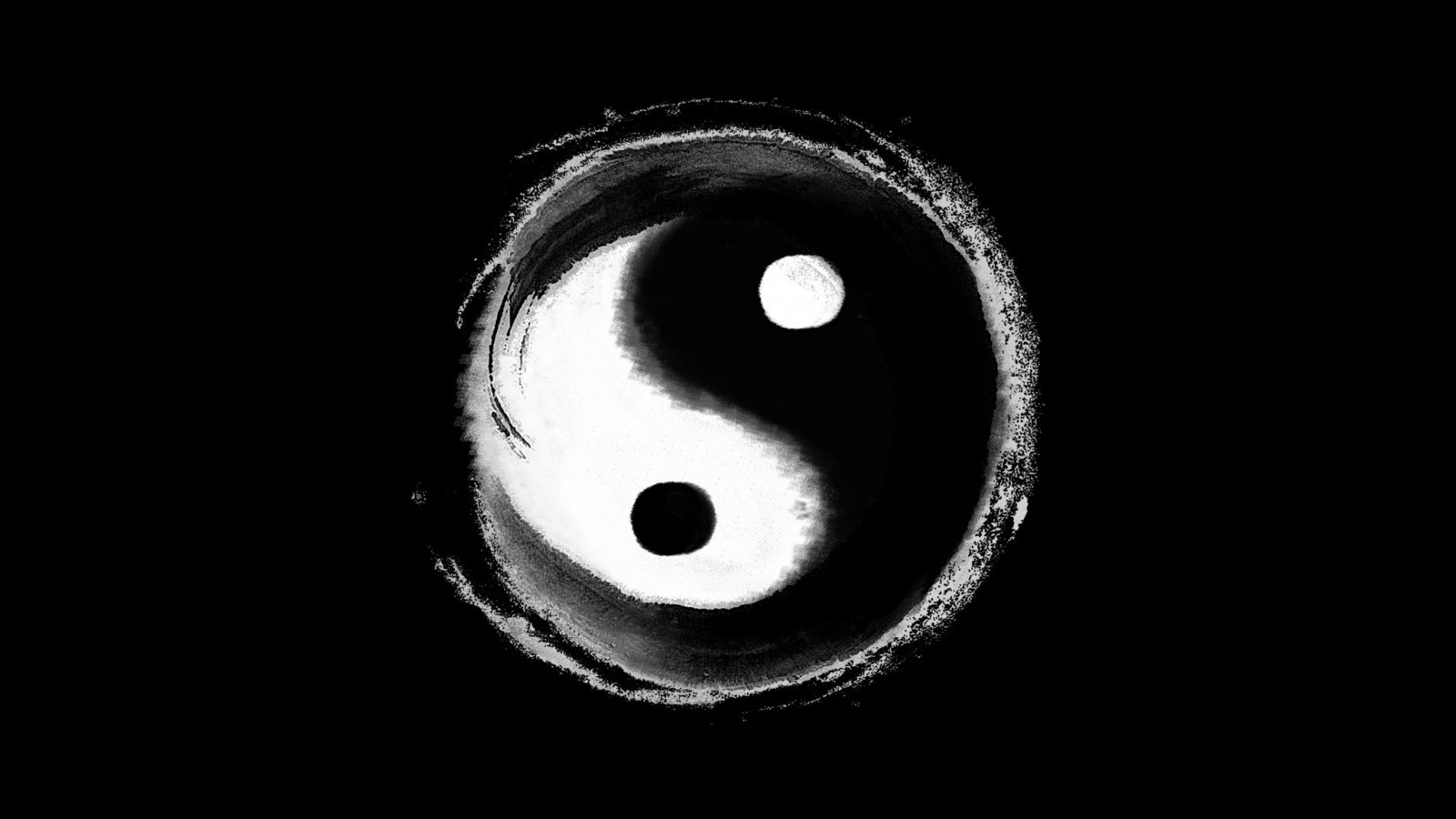
Few concepts have shaped Chinese thought more profoundly than yin and yang (阴阳). At its core, the idea is simple: all things in the universe contain two complementary forces — yin, associated with darkness, stillness, water, and the feminine; and yang, associated with light, movement, fire, and the masculine. These are not opposites that clash, but partners that define each other. Night gives meaning to day; rest makes action possible. The famous yin-yang symbol captures this perfectly: two interlocking shapes, each containing a seed of the other.
Closely linked to yin-yang is the theory of the Five Elements (五行) — wood, fire, earth, metal, and water. Unlike the Western concept of elements as physical substances, the Chinese five elements describe dynamic processes and relationships. Each element generates the next in a cycle of creation: wood fuels fire, fire produces ash that enriches earth, earth yields metal, and metal, when heated, becomes liquid like water. At the same time, each element can restrain another in a cycle of control, maintaining balance.
Together, yin-yang and the Five Elements form the philosophical backbone of many traditional Chinese disciplines. In Chinese medicine, health is understood as the balanced flow of these forces through the body; illness is an imbalance. In feng shui, they guide the arrangement of living spaces. In traditional Chinese cooking, foods are classified by their elemental properties to promote harmony in the body.
What makes this system remarkable is its flexibility. Rather than offering fixed answers, it provides a way of seeing relationships and change. For thousands of years, it has helped Chinese thinkers, healers, and artists make sense of a world in constant motion.