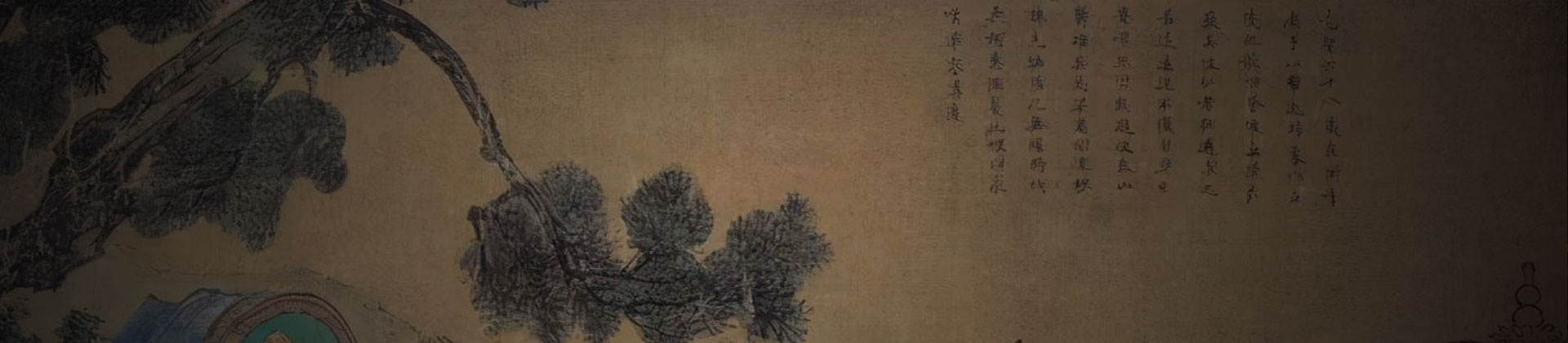
Wang Yangming and the School of Mind

Wang Yangming (1472–1529) was a major philosopher of the Ming Dynasty and the most influential representative of the School of Mind, a branch of Neo-Confucianism. Unlike scholars who searched mainly through books and external objects for moral truth, Wang argued that every person already possesses an inner moral awareness capable of distinguishing right from wrong.
Two ideas stand at the center of his philosophy: innate knowledge and the unity of knowledge and action. Innate knowledge is the moral understanding naturally present in the human mind. Yet knowing what is right is not enough. Wang believed that genuine knowledge must appear in action. A person who truly understands kindness, honesty, or justice will put these values into practice. Knowledge and action are therefore two sides of the same process.
Wang’s thought grew from his own difficult experiences. After being punished and sent to a remote region, he reflected deeply on the nature of truth and self-cultivation. He eventually concluded that moral principles are not separate from the mind. This insight led him to emphasize self-examination, sincere intention, and disciplined conduct as practical ways of learning.
For centuries, Wang Yangming’s ideas have influenced education, ethics, and personal development in China and other parts of East Asia. His teaching remains relevant today because it asks people to look inward, examine their motives, and turn understanding into responsible action. In this view, moral growth begins not with empty words, but with the courage to correct oneself and act according to one’s conscience.