Dragon and Lion Dance: The Rhythmic Heartbeat of Chinese Celebration
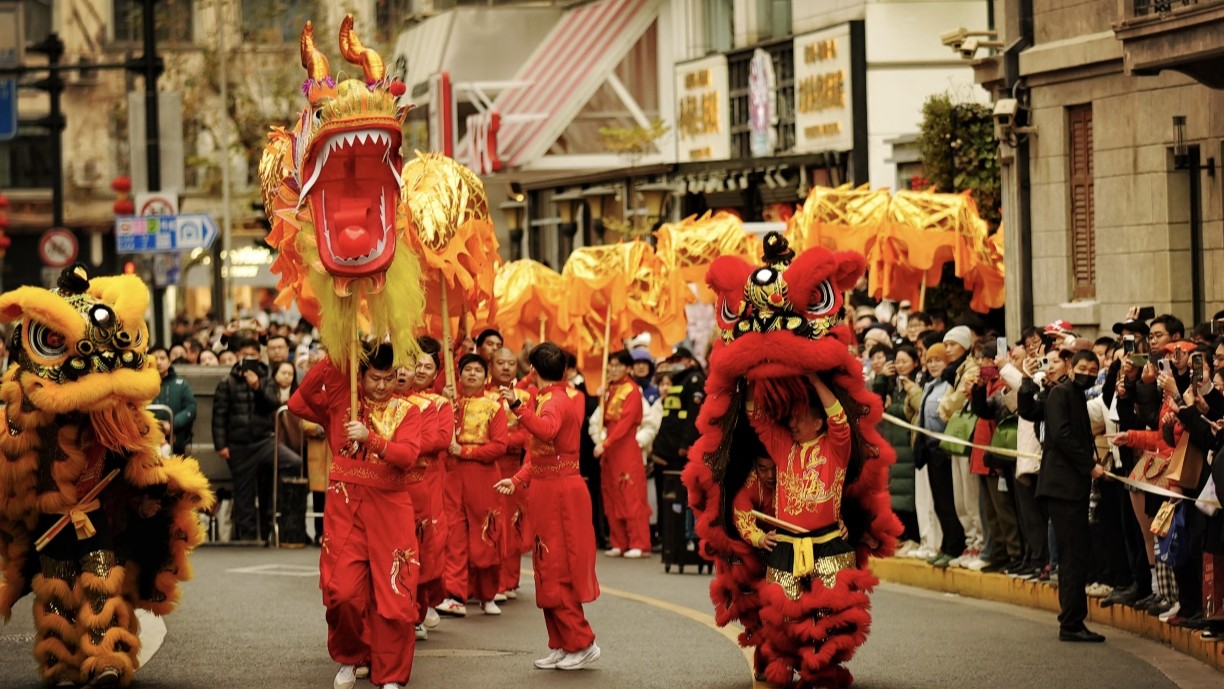
Dragon and Lion Dance stands as a quintessential symbol of traditional Chinese folk performance, blending dynamic athleticism with profound cultural symbolism. Originating over two millennia ago during the Han Dynasty, it embodies the Chinese philosophical harmony between human artistry and spiritual belief while incorporating elements from ancient totem worship and agricultural rituals. This vibrant tradition represents the perfect balance between coordinated group movement and individual expression, rhythmic percussion and acrobatic power.
The performance’s distinctive features include the magnificent dragon structure stretching up to 30 meters, animated by a team moving in flawless synchrony, and the expressive lion costumes operated by pairs demonstrating playful interaction. The pulsating drumbeats that guide every leap and turn create an exhilarating dialogue between movement and music, while the sweeping undulations of the dragon’s body resemble a celestial creature blessing the earthly realm. The strategic choreography follows ancient principles of yin-yang dynamics, with every gesture—from the lion’s eye-blinking to the dragon’s pearl-chasing—carrying symbolic meaning of driving away evil and inviting prosperity.
More than festive entertainment, Dragon and Lion Dance represents a living embodiment of Chinese cultural memory and communal harmony. It serves as a testament to China’s enduring traditions and cultural vitality, inviting participants and spectators alike to experience a dynamic tradition where every drumbeat echoes millennia of collective spirit and every movement celebrates the continuity of Chinese civilization.