Wushu: The Art and Spirit of Chinese Martial Arts
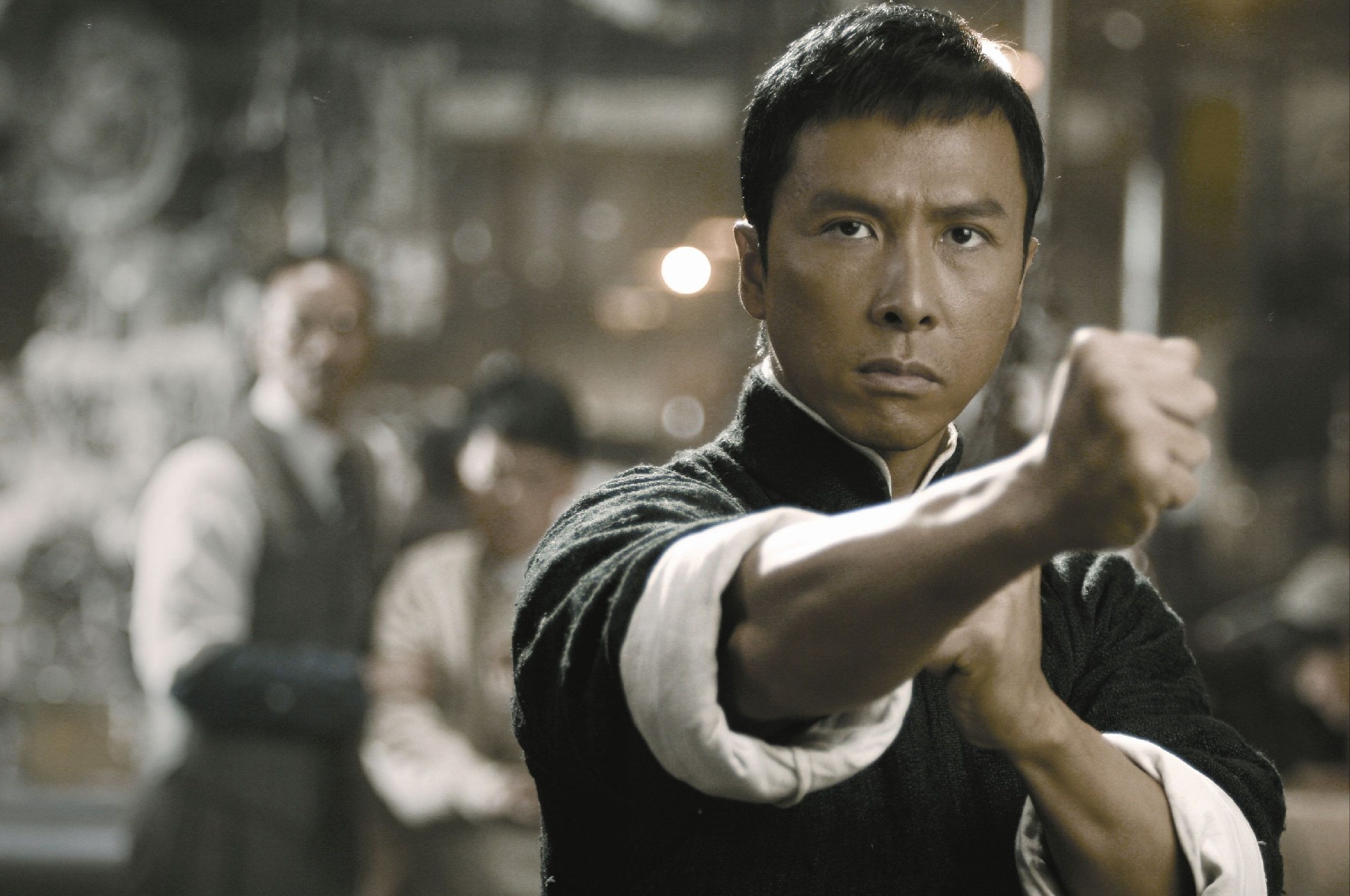
Few traditions reflect the depth and diversity of Chinese culture quite like wushu (武术), also known to the world as kung fu. Translated literally as "martial art" or "military skill", wushu is a broad term covering hundreds of styles of Chinese martial arts that have been developed, refined, and passed down over thousands of years. From the flowing movements of Tai Chi (太极拳) to the explosive power of Shaolin kung fu (少林功夫), wushu is far more than a fighting technique — it is a philosophy of the body, the mind, and one's relationship with the natural world.
The roots of wushu stretch back to ancient China, where physical training, self-defense, and military preparation were all part of daily life. Over the centuries, different regions, schools, and monasteries developed their own distinct styles. The Shaolin Monastery (少林寺) in Henan Province became one of the most celebrated centers of martial arts training, blending Buddhist philosophy with rigorous physical discipline. Meanwhile, the internal styles — such as Tai Chi, Xingyi (形意拳), and Bagua (八卦掌) — emphasized the cultivation of inner energy, or qi (气), as the foundation of power and movement.
What distinguishes wushu from many other martial traditions is its integration of aesthetics and ethics. A skilled practitioner does not simply learn to fight; they learn to move with grace, to breathe with intention, and to act with restraint. The values of respect, discipline, perseverance, and humility are considered just as important as physical strength. This is why wushu has long been practiced not only by soldiers and fighters, but also by scholars, monks, and ordinary people seeking health and inner balance. Today, millions of people around the world practice Tai Chi each morning in parks and courtyards, using its slow, meditative movements as a form of exercise and stress relief.
In modern times, wushu has taken on a new role as a competitive sport and a vehicle for cultural exchange. China has promoted wushu internationally through tournaments, performances, and school programs, and it is now practiced in over 150 countries. Performances of wushu — with their acrobatic kicks, sweeping stances, and dramatic weapon forms — have become a favorite showcase at cultural events and festivals worldwide. Whether as a daily practice, a competitive sport, or a form of artistic expression, wushu continues to carry the spirit of Chinese tradition into the present, connecting people across generations and borders through the shared language of movement.