
Chinese Opera Music: Features and Its Role in Opera
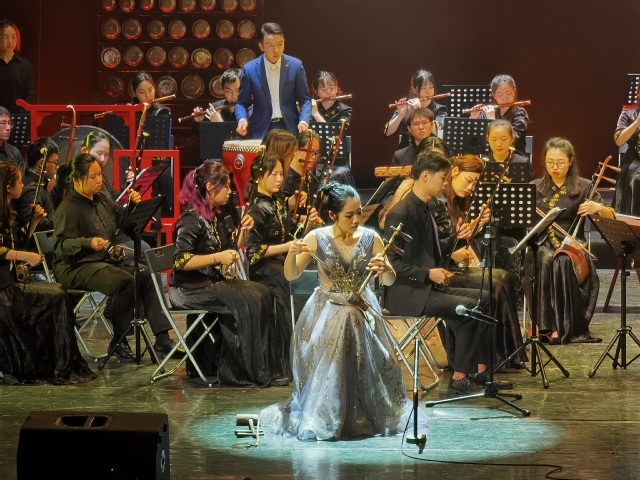
Chinese opera music is the soul of this traditional art, just as orchestral music shapes Western opera. It blends unique sounds and clear functions to tell stories vividly.
Key Features of Chinese Opera Music
First, it uses distinct instruments—like the erhu (a two-stringed fiddle) with its warm, singing tone, and the guban (drum and clappers) that keeps the rhythm. Unlike Western symphonies with fixed scores, it often follows "tunes" (qupai) that musicians adapt, similar to how jazz artists improvise on melodies. Also, it matches regional styles: Cantonese opera’s music is lively, while Beijing opera’s is more majestic—just like Italian opera differs from Russian opera.
Its Role in Chinese Opera
Music does more than accompany; it guides the story. It sets moods: soft erhu notes for sad scenes, bright gongs for happy moments—much like how a piano’s gentle keys or loud chords set feelings in a movie. It also shows characters’ identities: bold music for heroes, delicate tunes for heroines. Most importantly, it links singing and acting. When an actor sings, the music follows their voice, just as a singer and band work together in a musical, making the performance smooth and moving.
For global audiences, this music is a window into Chinese emotions—simple to feel, even if you don’t understand the words.