The Diversity of China’s Ethnic Minority Music and Its Representative Instruments
China’s 55 ethnic minorities have music as varied as global folk traditions—like how African drumming differs from Irish fiddle music, each tied to their culture.
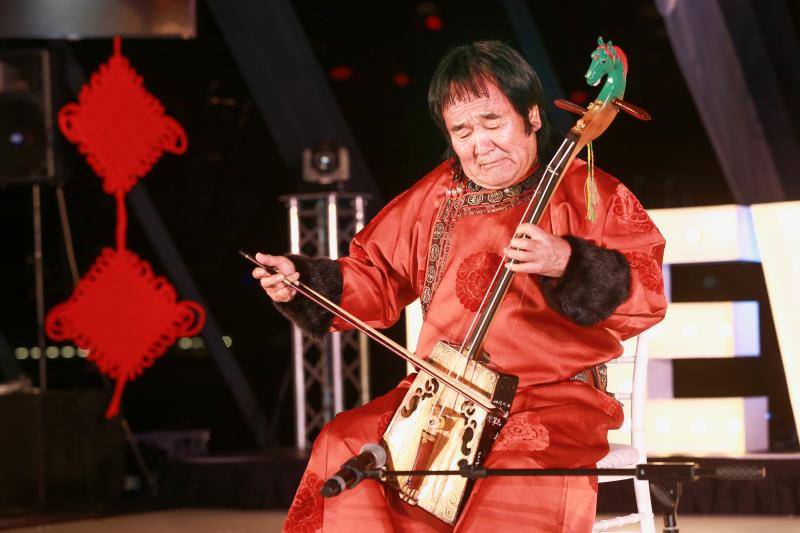
Rich Diversity
Each group’s music reflects its life: the Mongolian people’s songs are long and wide, matching their grasslands (similar to music from vast regions like the American West). The Yi people’s music is lively, with clapping and dancing for festivals, just like celebratory music in many cultures. This diversity comes from different habitats—mountains, grasslands, rivers—and traditions.

Representative Instruments
Morin Khuur (Mongolia): A two-stringed fiddle with a horse-head shape. Its sound is warm, like a horse’s neigh, telling stories of herding—similar to how a guitar tells Western folk tales.
Bawu (Hani/Yunnan): A bamboo flute with a soft, breathy tone. It’s played near rivers, blending with nature, much like flute music in forest cultures.
Sanxian (Multiple Groups): A three-stringed lute. Its sharp sound fits festive dances, like a banjo in lively gatherings.
These instruments and music let anyone feel the minorities’ joy and life—no words needed.