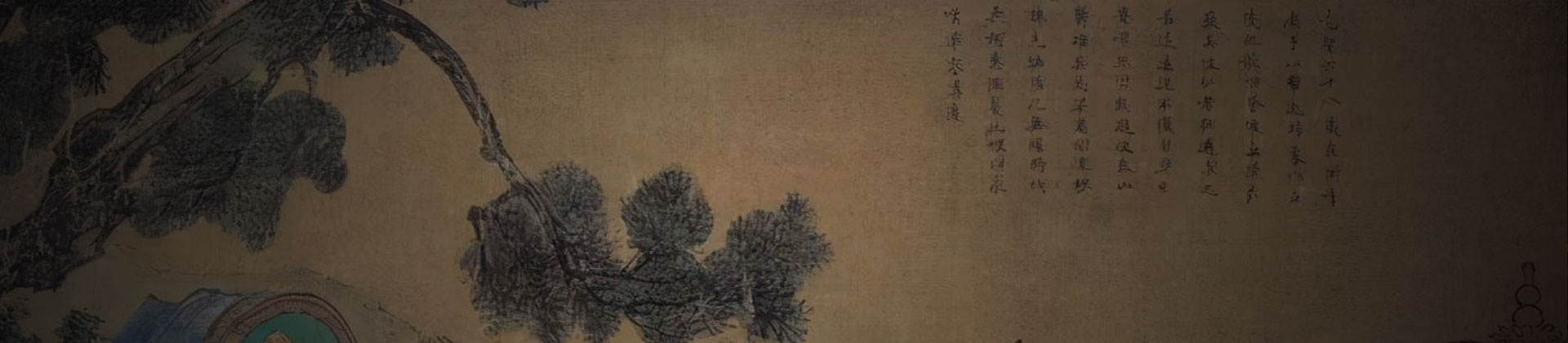
Music and Traditional Chinese Philosophical Thoughts

Music in China is deeply intertwined with core philosophical thoughts—Confucianism, Daoism, and Buddhism—much like how Western music reflects Greco-Roman or Christian philosophies. These ideologies shape music’s purpose, form, and spiritual connotation, blending auditory beauty with philosophical depth.
Core Philosophical Influences
Confucianism: Emphasizes harmony and morality. Confucians viewed music as a tool to nurture virtue and maintain social order—just as Western classical music once served religious or royal ethics. It valued moderate tones and structured melodies; for example, ancient ritual music (Yayue) with solemn rhythms aimed to cultivate propriety and unity among people.
Daoism: Advocates following nature (ziran) and emptiness (xu). Daoist-influenced music pursues spontaneity and simplicity, using minimal instruments (e.g., guqin zither) to mimic natural sounds like flowing streams or rustling winds. It avoids excessive ornamentation, echoing Daoism’s focus on capturing the essence of things.
Buddhism: Focuses on tranquility and enlightenment. Buddhist music (e.g., chants or Fayin) uses slow rhythms and pure tones to calm the mind, similar to how meditation music globally evokes serenity. It often features instruments like the bamboo flute, creating a sense of detachment from worldly chaos.
Manifestations in Traditional Music
Instrumental Music: The guqin, a classic stringed instrument, embodies both Confucian moderation and Daoist naturalness. Its melodies are gentle yet profound—Confucians saw it as a way to refine character, while Daoists appreciated its ability to harmonize with nature.
Vocal Music: Folk songs and opera arias reflect philosophical nuances. Confucian-influenced folk songs often praise filial piety; Daoist tunes use free, unstructured singing to echo natural rhythms; Buddhist chants prioritize monophonic purity for spiritual practice.
In essence, Chinese traditional music is not just sound—it’s a sonic expression of philosophical wisdom, balancing human emotions with the universe’s order.