Modern Chinese Music: Innovation and Fusion

Modern Chinese music thrives on blending tradition with global sounds, much like how K-pop merges Korean folk with pop, or Latin music fuses indigenous rhythms with jazz. It’s a dynamic mix that honors roots while embracing innovation.
Traditional Meets Contemporary
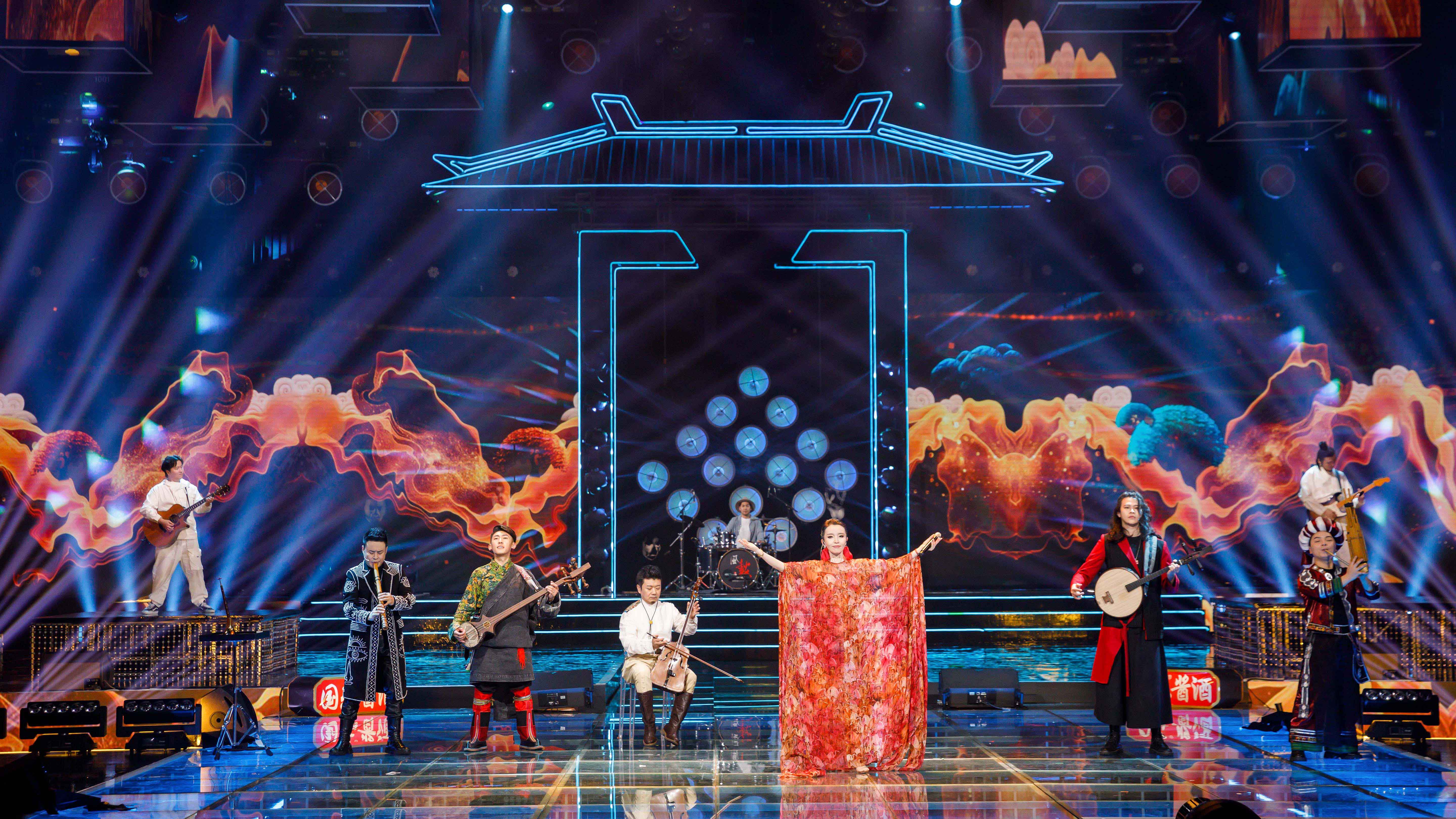
Artists weave ancient elements into modern genres: Erhu (two-stringed fiddle) solos blend with electronic beats, like how bagpipes add texture to Scottish pop. Singer Hua Chenyu infuses Peking Opera vocal techniques into rock ballads, while bands like HAYA combine Mongolian throat singing with ambient music—creating sounds that feel both timeless and fresh, similar to how Western artists sample folk melodies for modern tracks.
Global Influences, Local Stories
Chinese musicians draw from global trends (hip-hop, R&B, indie) but tell local stories. Rappers like GAI rhyme about Chinese history and rural life, much like American hip-hop artists reflect their communities. Some pop stars try to blend trap beats with Confucian-inspired lyrics, bridging East and West. Even electronic music festivals feature DJs mixing Taoist chants with techno, mirroring global fusion trends like Afrobeat-meets-house.
Innovation in Form
Digital platforms drive experimentation: Virtual singers (like Luo Tianyi) perform with real artists, while AI tools help compose music that blends traditional scales with modern production. Live shows often mix holograms of ancient musicians with contemporary bands, creating a cross-temporal experience—similar to how Western artists use tech to reimagine classic works.
This fusion isn’t just about sound—it’s about identity, showing how culture evolves by embracing both heritage and the world.