The Rise of Chinese Rock and Folk: Traditional Elements in Modern Music
In recent decades, Chinese rock and folk music have evolved into powerful platforms for blending ancient traditions with modern expression. While Western genres like rock and folk originated in the 20th century as voices of rebellion or storytelling, China’s versions uniquely weave in Confucian philosophy, nature imagery, and historical motifs—creating a sound that’s both globally relatable and distinctly Chinese.
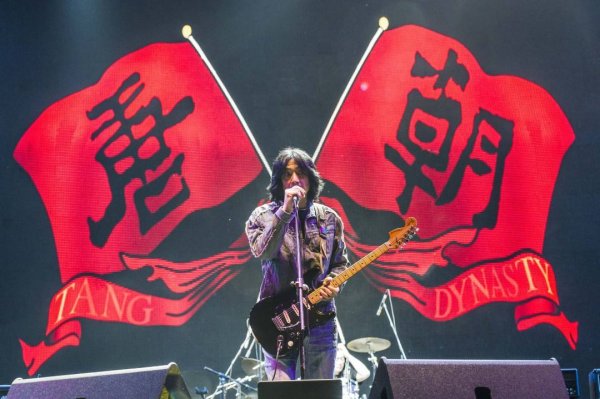
Take Chinese rock, for example. Bands like Tang Dynasty (founded in 1988) are often called "China’s first heavy metal band," yet their lyrics draw from Tang Dynasty poetry, evoking imagery of emperors and warriors. Similarly, folk artists such as Zhao Lei gained fame with songs like "Chengdu", where a gentle guitar melody accompanies poetic descriptions of a rainy city, reminiscent of classic Chinese ink paintings. The song’s nostalgia feels akin to Simon & Garfunkel’s "The Sound of Silence"—universal longing wrapped in local flavor.
Even instruments reflect this fusion. The pipa (a lute-like instrument) is sometimes featured in rock songs, much like how electric violins appear in Western pop. This mix resonates globally: just as K-pop blends Korean traditions with hip-hop, Chinese rock and folk prove that heritage and modernity can coexist. For listeners unfamiliar with China, these genres offer a sonic gateway to its culture—where ancient wisdom meets contemporary beats.