The Charm of Chinese Music in Film Scores: From Crouching Tiger, Hidden Dragon to Modern Cinema
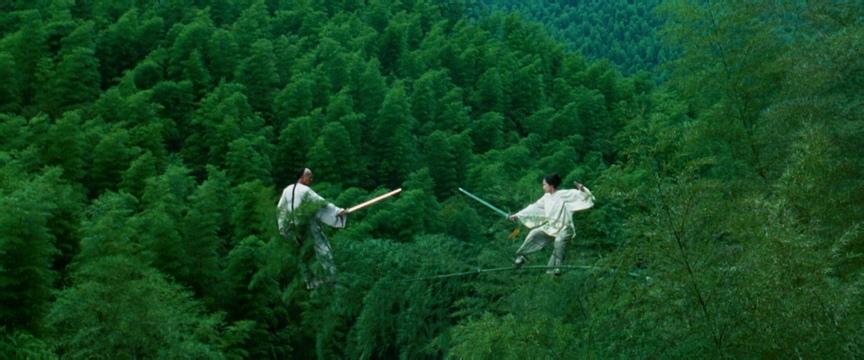
Chinese film scores blend ancient traditions with modern storytelling, creating a unique auditory experience. A great example is Crouching Tiger, Hidden Dragon (2000), where composer Tan Dun mixed erhu (a two-stringed violin) and pipa (a lute-like instrument) with Western orchestras. The result? A soundtrack that feels both timeless and cinematic—like pairing a classic Shakespeare play with a modern film adaptation.
Traditional Chinese instruments carry deep cultural meanings. The guzheng (a plucked zither) often evokes elegance, similar to how a piano might convey romance in Western films. In The Great Wall (2016), composer Ramin Djawadi fused Chinese drums and flutes with epic orchestral arrangements, mirroring how Hollywood blockbusters use leitmotifs (recurring musical themes) to define characters.
Today, filmmakers like Zhang Yimou continue this tradition. His movie Hero (2002) uses silence and minimalistic music to heighten tension—akin to how Nordic noir thrillers rely on sparse soundscapes for dramatic effect.
For listeners unfamiliar with Chinese music, think of it as a bridge between the past and present. Whether it’s the melancholic notes of an erhu or the thunderous beat of war drums, these sounds tell stories that transcend language—much like how jazz or flamenco communicates emotion worldwide. Exploring Chinese film scores is like discovering a new dialect of cinema.