The Art of Drums: The Rhythmic Soul from Temples to the People
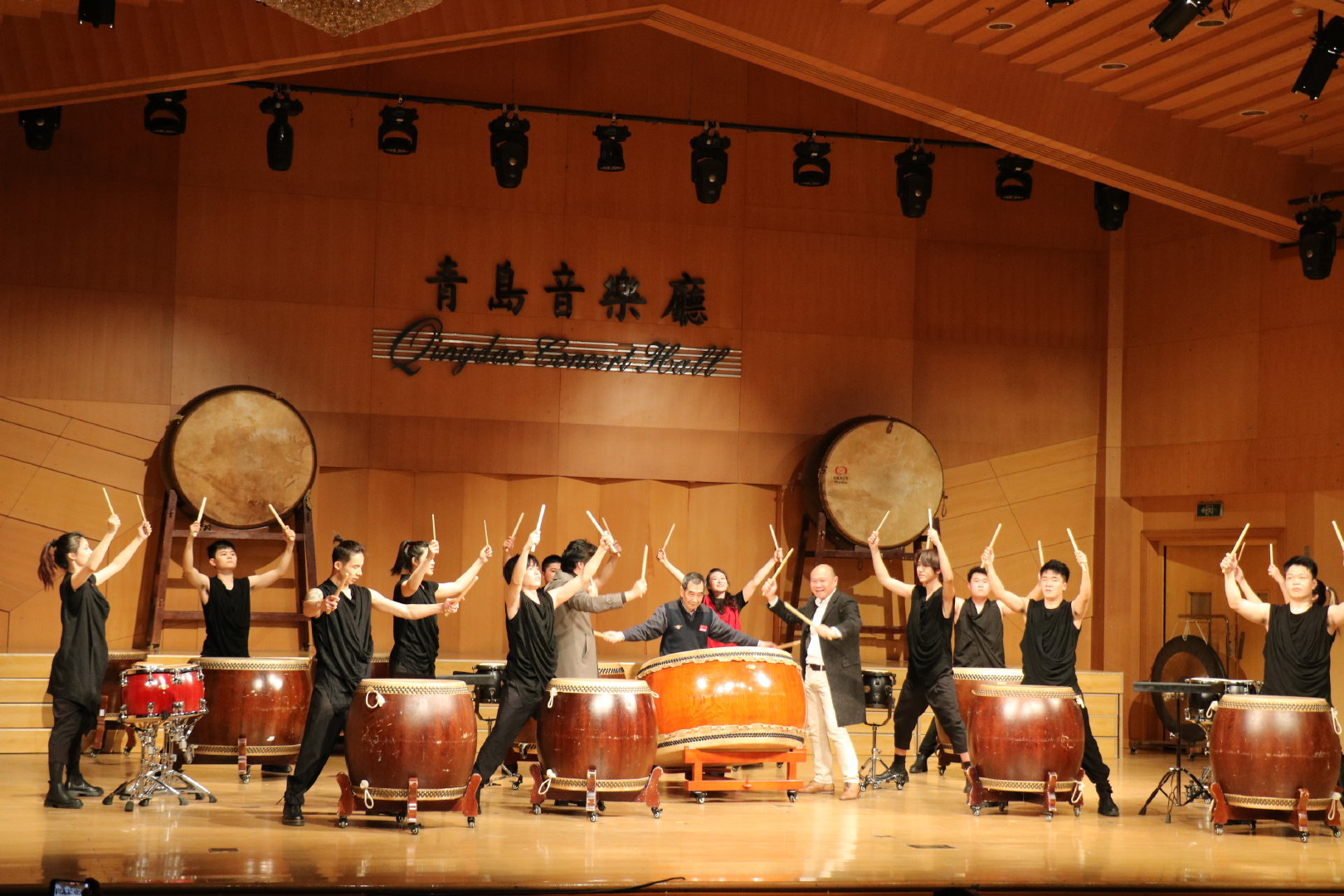
Drums have been the heartbeat of Chinese culture for thousands of years, bridging sacred rituals and everyday life. In ancient times, they echoed in grand ceremonies—like the da gu (large drum) used in imperial courts to mark important events, much like how church bells signal key moments in Western traditions. Today, their vibrant beats still resonate, from traditional opera stages to lively street festivals.
One iconic example is the tanggu, a barrel-shaped drum played during Lunar New Year celebrations. Its powerful rhythms accompany lion dances, creating an atmosphere of joy akin to how samba drums energize Brazilian carnivals. Meanwhile, smaller bangu drums are essential in Peking opera, setting the pace for performers much like a conductor’s baton in an orchestra.
Beyond performance, drums symbolize unity. In rural areas, farmers once played them to coordinate fieldwork—a practice similar to how farmers in parts of Europe historically used church bells to signal work times. Even now, modern bands blend traditional drumming with contemporary music, showcasing China’s living heritage.
From solemn temples to bustling city squares, the drum’s rhythm tells China’s story—a timeless language of celebration, ceremony, and community.