The Screen Wall (Yingbi): Subtlety and Separation Before Entry
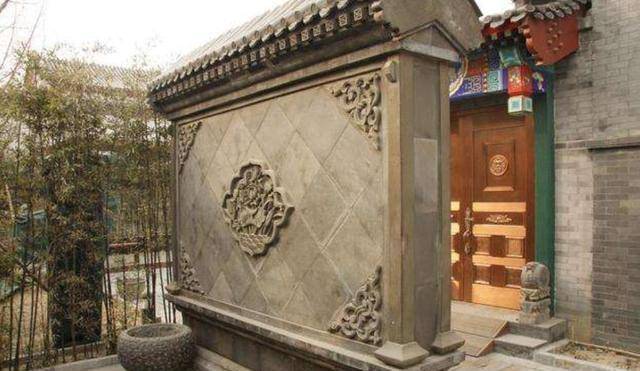
In traditional Chinese architecture, the yingbi (影壁), or screen wall, is a subtle yet meaningful feature placed at the entrance of homes, temples, or palaces. Though often overlooked by casual observers, it serves as both a practical and symbolic barrier—shielding the interior from direct views while marking a transition between public and private spaces.
Imagine walking into a grand house and being greeted not by an open doorway, but by a beautifully decorated wall. This is the yingbi—a design choice akin to a foyer in Western homes, but with deeper cultural layers. For example, in Beijing’s historic courtyard houses (siheyuan), the yingbi often features intricate carvings or calligraphy, reflecting themes like prosperity or longevity. Much like how a hotel lobby sets the tone before entering guest rooms, the yingbi prepares visitors for the space beyond, offering a moment of pause.
Symbolically, it acts like a buffer—not to exclude, but to respect privacy. In Western terms, it’s similar to how a velvet rope in a museum creates a sense of anticipation before viewing the main exhibit. The yingbi embodies the Chinese aesthetic of restraint and harmony, where even a simple wall conveys thoughtfulness and cultural depth.
Next time you see one, pause—and appreciate the quiet wisdom behind its presence.