
The Foundation of Grandeur: The Sills of Chinese Architecture
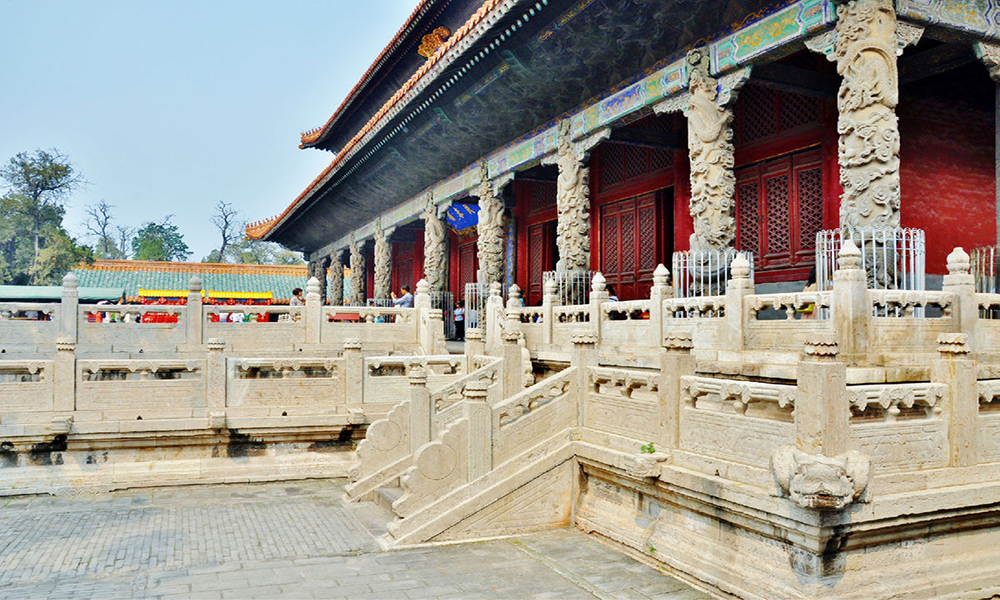
In traditional Chinese architecture, 台基 (Tai Ji) beneath a building is far more than just a base—it’s a silent storyteller of status and craftsmanship. Much like the plinth of a European classical column or the raised podium of a government building, the dais elevates structures both physically and symbolically. But in China, its design speaks volumes about hierarchy.
Imagine the Forbidden City’s grand halls: their massive stone platforms, often adorned with intricate carvings and surrounded by ornamental balustrades, visually declare imperial authority—akin to how a throne’s high back commands respect. In contrast, a humble scholar’s home might rest on a simple wooden platform, understated yet functional. This tiered approach mirrors social structures, where the height, material (from rough stone to polished marble), and decoration of the dais reflect the occupant’s rank, much like military insignias or academic robes in Western cultures.
Even gardens use miniature dais platforms for pavilions, creating visual rhythm. For visitors unfamiliar with Chinese design, think of the dais as the first chapter of a building’s narrative—grounding it while subtly signaling its place in the cultural hierarchy. A fascinating blend of engineering and symbolism, it’s a detail that transforms mere construction into storytelling.