China’s Great Wall Fortresses: Guardians of the Ancient Frontier
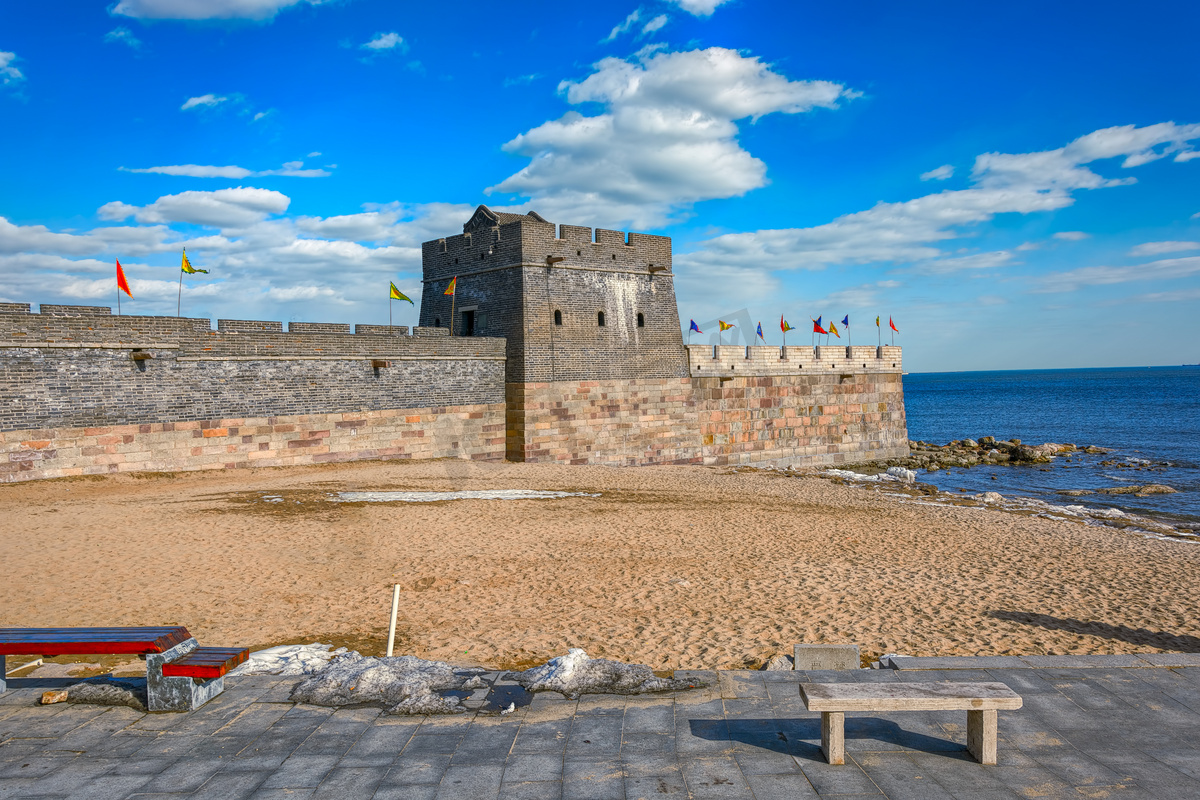
The Great Wall of China is not just a single wall but a network of fortifications, with key defensive gates—called guan—serving as strategic strongholds. Two of the most famous are Shanhai Pass (山海关) and Jiayu Pass (嘉峪关), often called the First and Last Passes under Heaven.
Imagine these passes as ancient border checkpoints, much like the fortified castles of medieval Europe or the forts of the American Wild West. Shanhai Pass, near the Bohai Sea, marked the eastern end of the Wall, protecting Beijing from northern invasions. It was so crucial that it earned the nickname the Lock and Key of the Nation. In contrast, Jiayu Pass, in northwestern Gansu Province, stood at the western edge of the Wall, guarding the Silk Road trade routes. Think of it as a medieval customs checkpoint, controlling both security and commerce.
These fortresses weren’t just walls—they included watchtowers, barracks, and signal fires for communication. Like the castles of England or the citadels of the Middle East, they symbolized power and protection. Today, they attract visitors worldwide, offering a glimpse into China’s ancient military ingenuity and its enduring legacy of safeguarding its people.