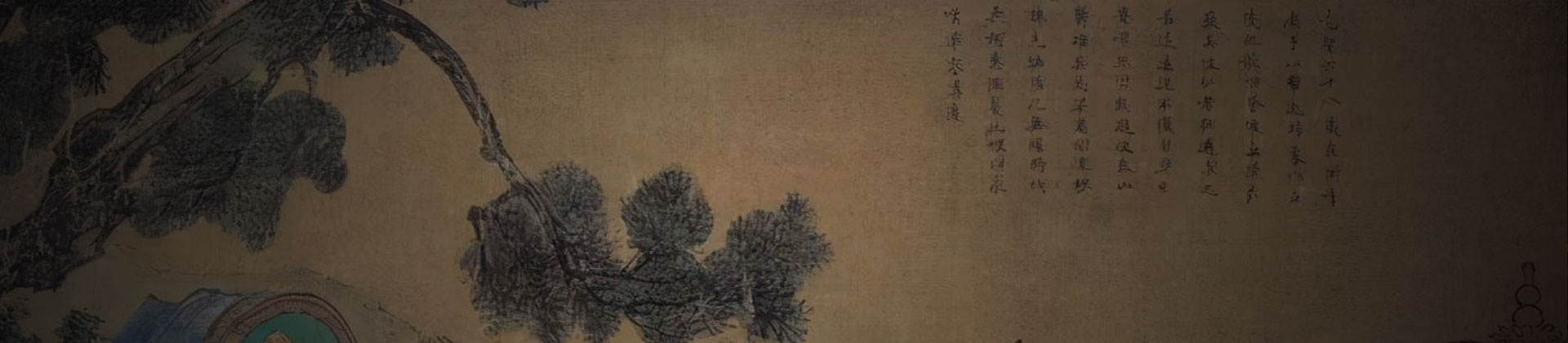
Modern Calligraphy: Innovation and Transformation
Modern calligraphy preserves traditional brushwork essence while embracing bold changes—much like modern art reinterprets classical forms. Driven by technology and cross-cultural exchange, it balances heritage with contemporaneity, with font designers playing a key role in its evolution.
Core Innovations
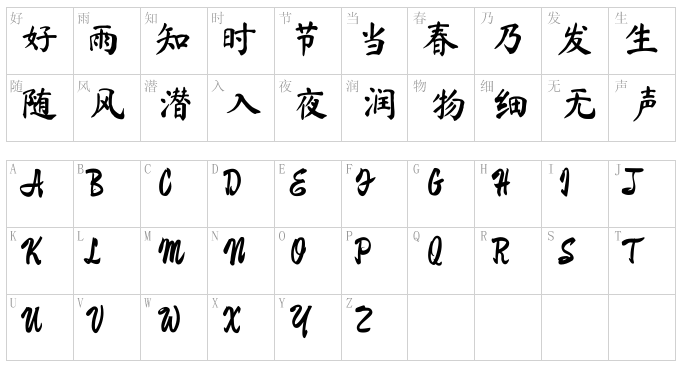
Style & Form Breakthroughs: Traditional scripts (regular, cursive) are reimagined—artists deconstruct characters (e.g., stretching strokes, overlapping radicals) for abstract tension, or blend with Western abstract art via ink splatters. Font designers push this further: they distill calligraphic charm into digital fonts (e.g., Ma Shan Zheng script) that retain brush texture while fitting screen displays, merging art with functionality.
Tools & Themes Update: Beyond brush and rice paper, spray paint, digital styluses, and tablets are common. Digital calligraphy enables gradients and layered strokes; themes shift from classical poems to urban life or environmental messages, making it resonate with modern audiences.
Transformation & Font Designers’ Role
From Literati Art to Public Aesthetics: Traditional calligraphy was scholarly; now it adorns subways, fashion, and logos—font designers fuel this by creating calligraphy-based commercial fonts (e.g., for brand logos or packaging), turning art into daily visual language.
Cultural Bridge-Building: Designers fuse Eastern strokes with Western typography (e.g., calligraphic English letters) for global exhibitions or international brands. They also develop educational fonts for youth, blending tradition with digital habits to keep the art vital.
Modern calligraphy’s innovation lies in "inheriting while renewing"—and font designers are pivotal in making this ancient art thrive in the digital age.