The Spirit of Calligraphy: Unveiling a Core Aesthetic in Chinese Art
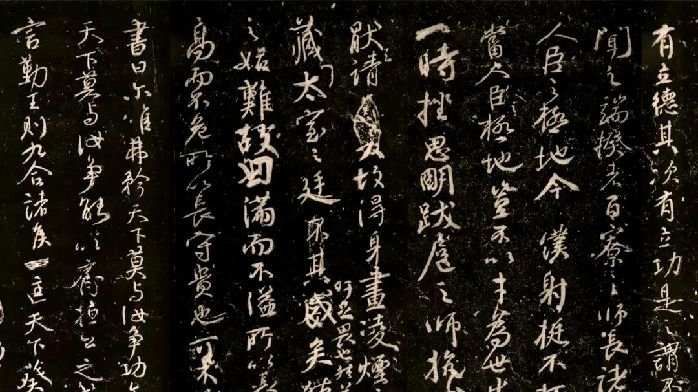
Chinese calligraphy is more than just writing—it’s a visual symphony where brushstrokes breathe life. At its heart lies qi yun (气韵), a term often translated as "spirit resonance" or "vital harmony," referring to the intangible energy and charm that animate a piece. Think of it like the "soul" of a painting or the rhythm in jazz: invisible yet unmistakable.
For example, when a master like Wang Xizhi (4th century) wrote his famous Preface to the Poems Composed at the Orchid Pavilion, his strokes flowed like a mountain stream—effortless yet powerful. That’s qi yun: the sense of movement, emotion, and personality embedded in every line. Compare it to Western abstract art, where drips and splatters convey mood; similarly, Chinese calligraphy transforms ink and paper into a dialogue between artist and viewer.
Why does this matter? Because qi yun reflects deeper cultural values. Just as music relies on silence between notes, Chinese aesthetics prize balance between what’s said and unsaid. A beginner might focus on perfecting characters, but true mastery lies in capturing the "breath" behind them. Next time you see calligraphy, look beyond the words—feel the pulse of centuries-old expression.