Calligraphy in the Digital Age: Innovation in Font Design and New Media
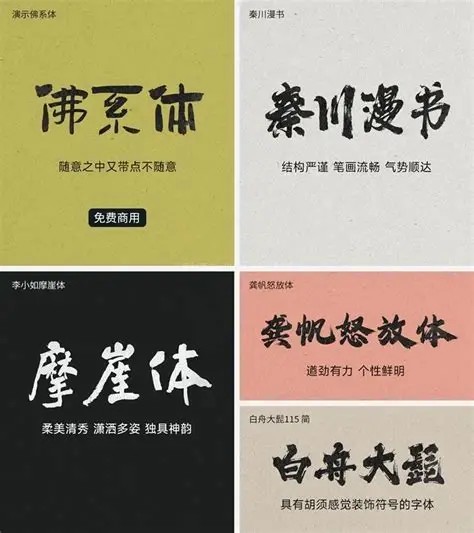
Chinese calligraphy, once confined to brushes and rice paper, has found new life in the digital era. Like how Gothic or Italic fonts evolved from European handwriting, modern technology has transformed traditional brush strokes into dynamic digital fonts. For example, the popular fonts on smartphones blend calligraphic elegance with readability, much like how Helvetica combines simplicity with artistic flair.
Beyond fonts, calligraphy now thrives in new media. Artists use apps to create interactive digital scrolls, where viewers can "paint" strokes with a swipe—similar to how digital painting apps mimic watercolors. Some designers even incorporate calligraphic elements into animations, echoing how Hollywood films use calligraphy-inspired titles to evoke cultural depth.
Even education has gone digital. Platforms teach stroke order through gamified apps, akin to Duolingo’s language lessons. This fusion preserves tradition while making it accessible. Just as jazz reinterpreted classical music, digital calligraphy reimagines an ancient art for a global audience.
By blending heritage with innovation, calligraphy demonstrates how China’s cultural roots continue to grow in the modern world—offering a fresh, creative bridge between past and present.