
Wang Xizhi: China's Sage of Calligraphy
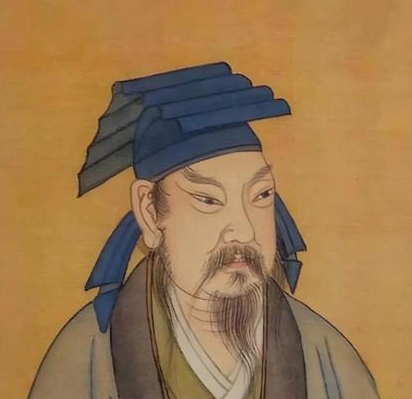
Wang Xizhi (303–361 CE) is a well-known figure in China and is honored as the Sage of Calligraphy. He lived about 1,700 years ago during the Eastern Jin Dynasty. He once served as a general, but he is remembered in history for his calligraphy. His works are seen as the highest achievement in Chinese calligraphy, and their influence has lasted for more than a thousand years.
His most famous work, Preface to the Orchid Pavilion (Lanting Xu), is widely known as “the best running script in the world.” It is said that he wrote it at a spring gathering, after drinking wine with friends. He wrote it freely and naturally, and the brushwork was smooth and lively. The original work has been lost, but later copies, especially those made in the Tang Dynasty, have been carefully preserved and highly valued.
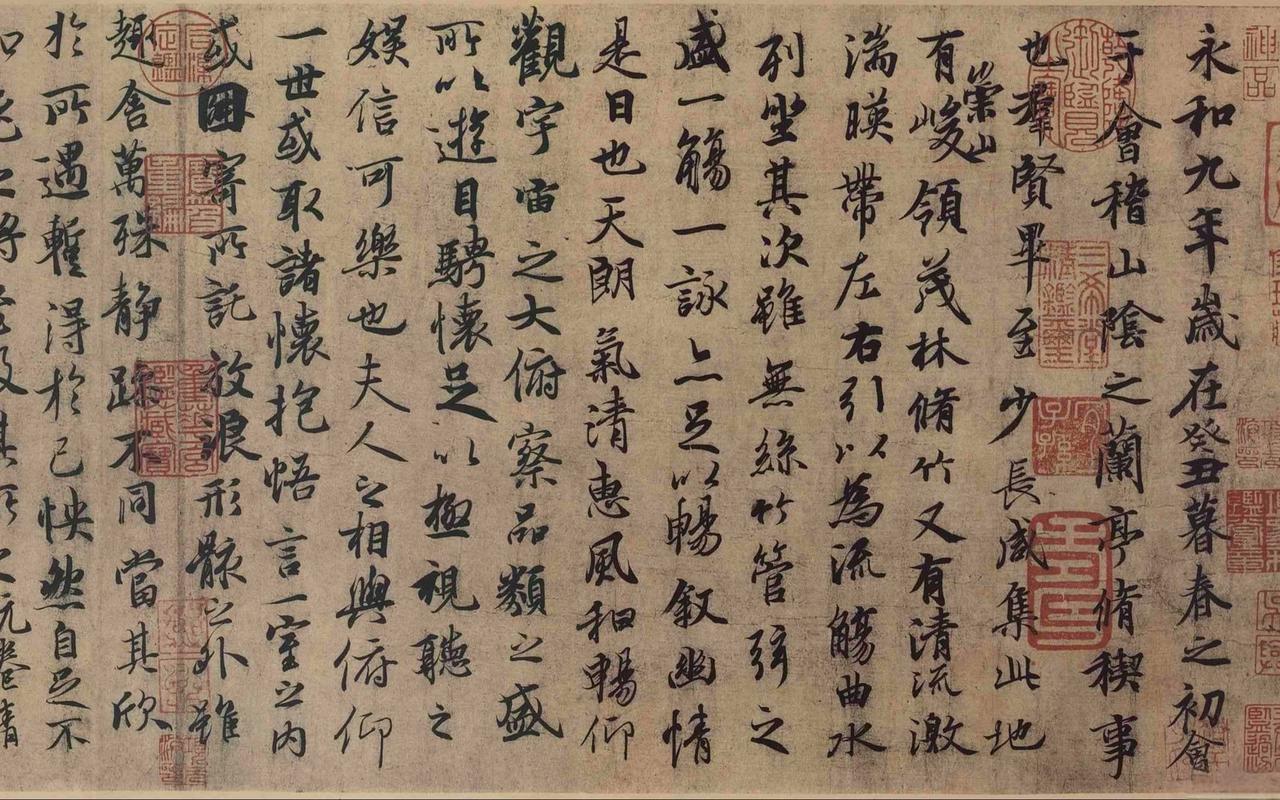
Wang Xizhi’s calligraphy looks elegant and graceful, but its structure is also very precise. Ancient people described his style as “floating clouds and a soaring dragon.” This means his writing was both soft and strong. He created a new style by balancing beauty and power.
There are also many interesting stories about him. These stories helped form his image as a gifted and hardworking master. For example, one legend says that he practiced calligraphy so often that he washed his brushes in a pond at home every day. After many years, the water in the whole pond turned black. Another famous story is “the brush strokes entered the wood three parts deep.” This is used to describe his strong and powerful brushwork.