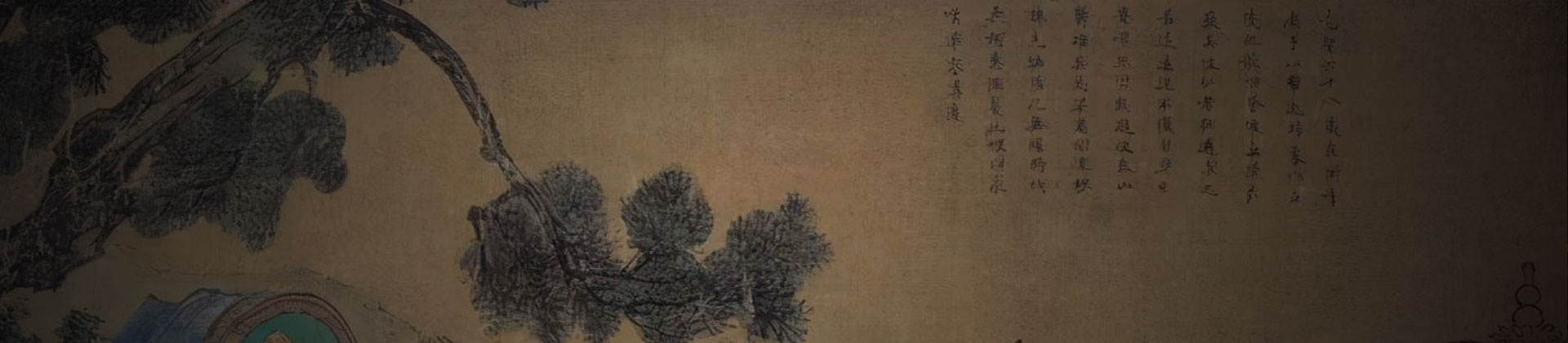
Emperor Calligraphers: The Artistic Legacy of Tang Taizong, Song Huizong, and Qing Qianlong
In Chinese history, some emperors were not only political leaders but also skilled calligraphers, blending governance with artistic expression. Their works offer a fascinating glimpse into China’s cultural values, much like how European royalty like Leonardo da Vinci (though not a ruler) embodied both science and art.
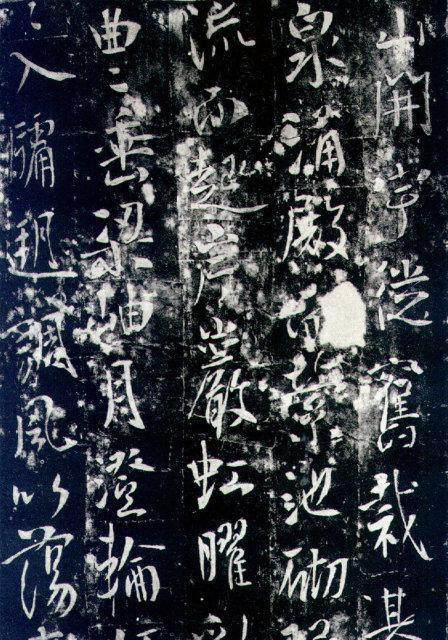
Tang Taizong (6th–7th century), one of China’s greatest emperors, revered Wang Xizhi, the Sage of Calligraphy. His own works, such as Preface to the Holy Teaching, reflect balance and power—akin to a CEO’s confident signature today. He promoted calligraphy as a tool for cultural unity, just as leaders might use national language policies.
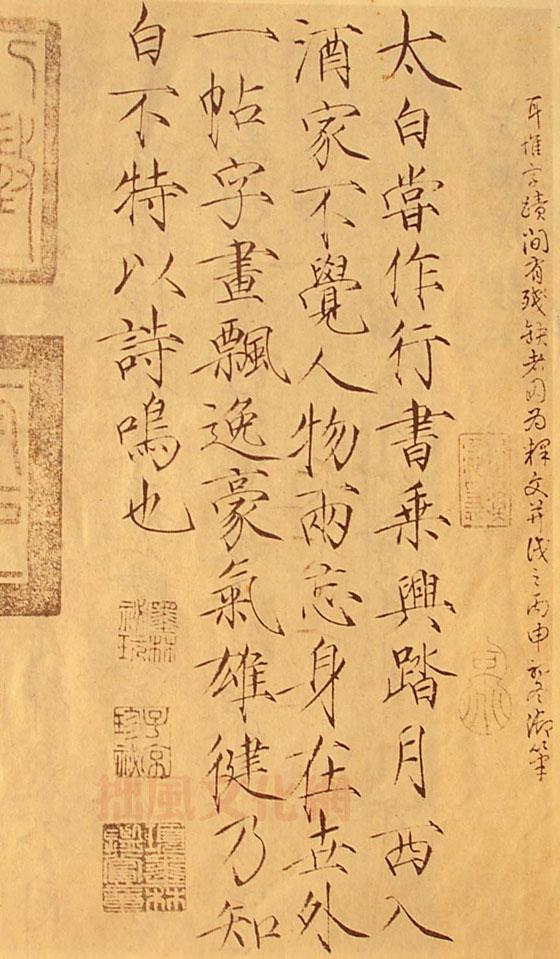
Song Huizong (12th century), though a controversial ruler, revolutionized calligraphy with his slender gold style—a delicate, precise script resembling modern calligraphy pens. His obsession with art even led to the creation of the world’s first known art academy, similar to how some presidents found museums.
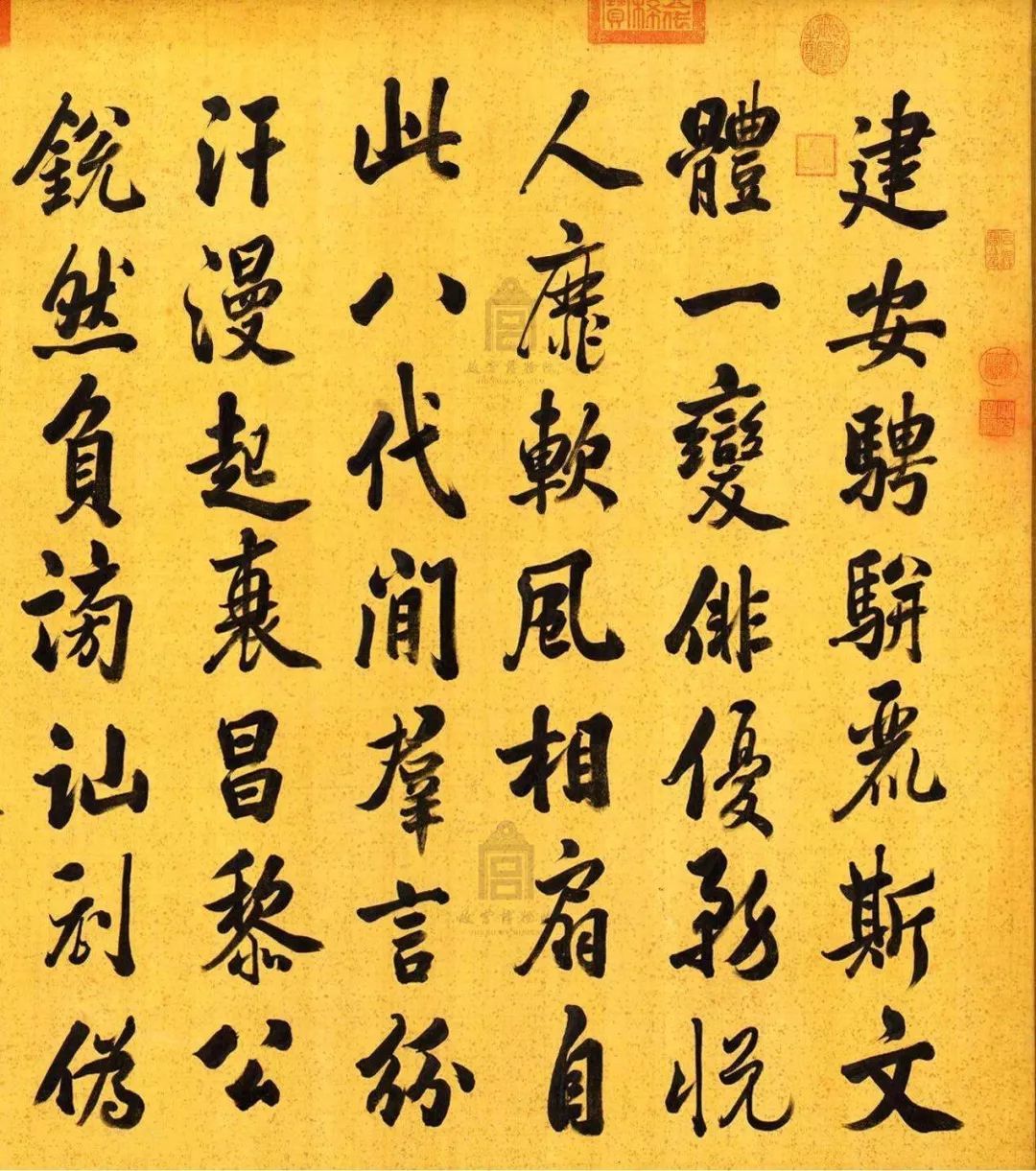
Qing Qianlong (18th century), a prolific collector, left over 40,000 annotated artworks. His calligraphy, though less innovative, symbolized imperial authority—like a president’s handwritten speeches. He inscribed thousands of poems on scrolls, blending creativity with power.
These emperors’ calligraphy wasn’t just art; it was a statement of identity, much like how leaders worldwide use architecture or fashion to project influence. Their legacy helps us understand how China blends aesthetics with leadership.