Hidden Treasures of Calligraphy from the Western Regions: Ancient Ink Traces from Loulan and Dunhuang
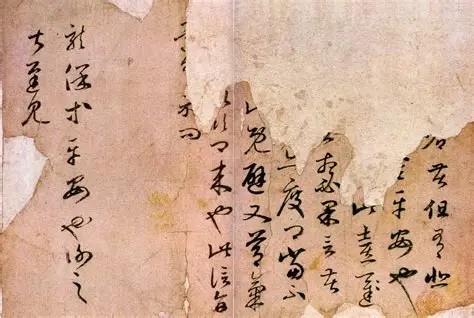
Imagine stumbling upon a 2,000-year-old shopping list or a personal letter—written in elegant, flowing script—that offers a direct glimpse into daily life centuries ago. This is the magic of the ancient calligraphic relics unearthed from Loulan and Dunhuang, two key Silk Road hubs in China’s far west.
These ink traces, preserved in the dry desert air, include administrative documents, Buddhist scriptures, and even private notes. For example, a wooden slip from Loulan (circa 2nd century BCE) records grain distribution, its neat clerical script resembling an early "spreadsheet" with disciplined columns. Meanwhile, Dunhuang’s Mogao Caves yielded scrolls where monks copied Buddhist texts in flowing regular script, akin to medieval European monks illuminating manuscripts—but with a uniquely Chinese aesthetic.
The scripts evolve over time: the angular seal script of early Han dynasty documents contrasts with the more fluid running script found later, much like how Gothic gave way to cursive in Europe. These artifacts bridge art and history, showing how writing was both practical and expressive. For those curious about China’s cultural roots, these fragments are like time capsules, revealing how people communicated, governed, and spiritualized their world along the ancient Silk Road.