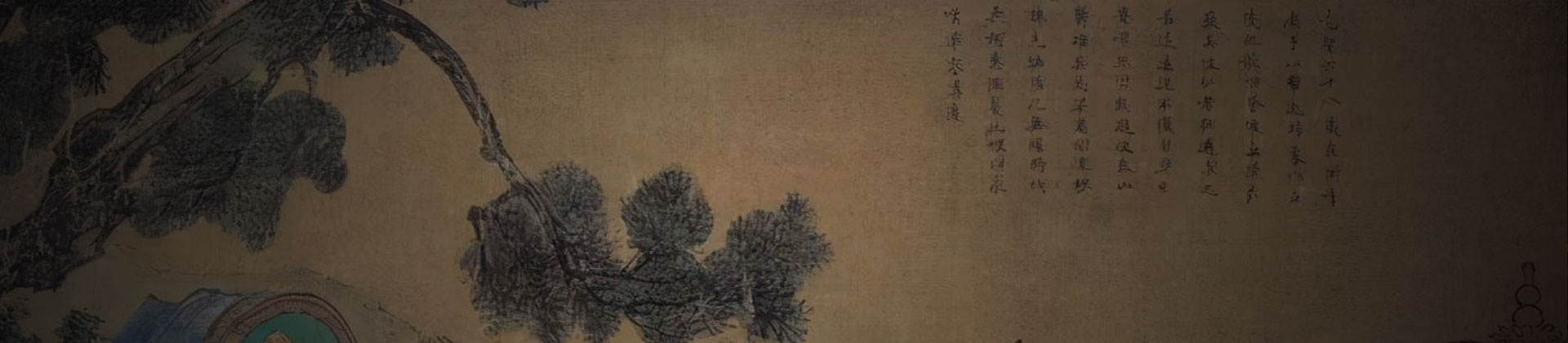
The Artistic Charm of the Wu School: Jiangnan’s Calligraphy Legacy
In the rich tapestry of Chinese art, calligraphy stands as a timeless expression of culture—much like Europe’s classical music. Among its many schools, the Wu School (吴门书派) of Jiangnan (southern Yangtze region) shines for its elegance and innovation during the Ming Dynasty (1368–1644). Centered in Suzhou, a city famed for canals and scholars, this movement blended technical mastery with personal flair, akin to how Renaissance artists redefined European portraiture.
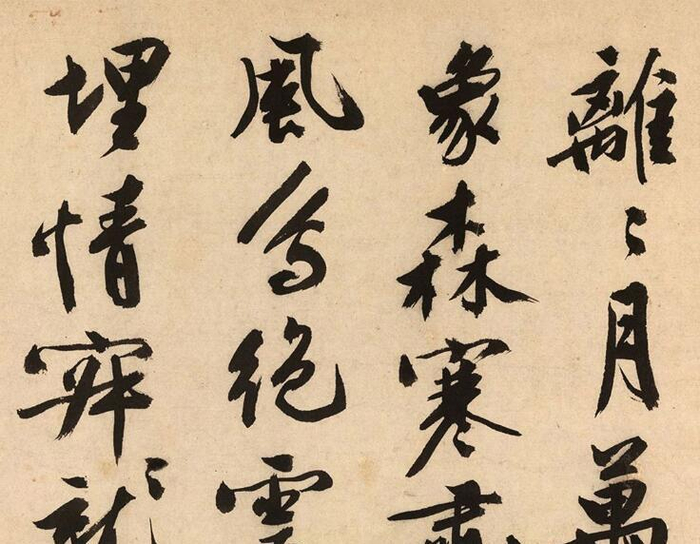
The Wu School’s hallmark was scholarly spontaneity. Unlike rigid court styles, its masters—like Wen Zhengming and Zhu Yunming—wrote with flowing brushstrokes that mirrored their moods, much like jazz musicians improvising within structure. For example, Wen’s calligraphy often combined bold strokes with delicate pauses, creating rhythm like a well-composed poem. Their works weren’t just text but visual symphonies, reflecting Confucian ideals and Taoist harmony with nature.
Why does this matter? The Wu School democratized art: it valued individuality over rigid rules, inspiring later generations globally. Think of it as the "impressionism" of Chinese calligraphy—a shift from perfection to expressive freedom. Today, its legacy lives in modern brushwork and even design, proving Jiangnan’s ink-stained legacy still dances off the page.