Farewell My Concubine: An Opera of Human Fate
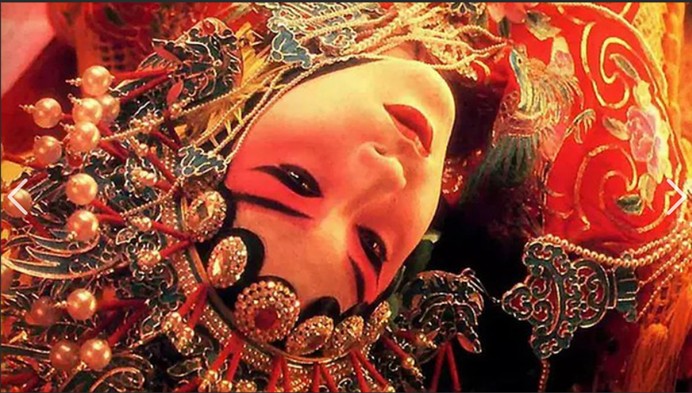
Set against the backdrop of 20th-century China, “Farewell My Concubine” stands as a monumental achievement in Chinese cinema, blending operatic artistry with profound human drama. Spanning from the 1920s to the 1970s, the film reflects the essence of Chinese aesthetic philosophy—harmonizing individual destiny with historical tides while incorporating elements from Beijing opera and literary tradition. Its narrative embodies the eternal tension between tradition and transformation, illusion and reality.
Artistic highlights include the breathtaking opera sequences where Cheng Dieyi’s mastery of female roles becomes a mirror of his identity, and the intimate scenes between the three protagonists that unfold like a classical tragedy. The film’s visual language, rich with symbolic colors and carefully composed frames, connects personal turmoil with national upheaval. Recurring motifs—the ceremonial sword, opera makeup, and training school—frame perspectives on art’s endurance amid chaos. The structure follows principles of dramatic irony, with parallel narratives illuminating how political transformations reshape human relationships.
More than a cinematic masterpiece, “Farewell My Concubine” represents a profound meditation on Chinese cultural identity. It remains a testament to artistic resilience and cultural confidence, inviting audiences to witness a living tapestry where every gesture echoes centuries of aesthetic tradition and every scene whispers tales of love, betrayal and cultural persistence.